How Smart Manufacturing for Sheet Metal Improves Throughput and Traceability
For enterprise leaders under pressure to raise output, reduce errors, and strengthen compliance, smart manufacturing for sheet metal offers a practical path forward.
By connecting laser cutting, bending, material flow, and production data into one intelligent system, manufacturers can move faster with fewer blind spots.
That matters more now because order mix is changing.
Customers want shorter lead times, tighter documentation, and consistent quality across more part variants.
In actual operations, those demands expose weak points that manual planning and disconnected machines cannot handle well.
Smart manufacturing for sheet metal addresses that gap by turning separate production steps into a coordinated digital workflow.
Why Throughput and Traceability Now Move Together
Many plants still treat throughput and traceability as separate goals.
One team pushes output.
Another team handles quality records, batch history, and audit files after the fact.
That split creates friction.
Operators re-enter data.
Planners work with incomplete machine status.
Managers only see bottlenecks after jobs are already late.
A smarter model links both outcomes from the start.
When sheet movement, machine programs, tool changes, bend angles, and inspection results are captured in real time, production becomes easier to control.
This is where smart manufacturing for sheet metal creates value beyond automation alone.
What Smart Manufacturing for Sheet Metal Actually Includes
The term is broad, so it helps to define it clearly.
Smart manufacturing for sheet metal usually combines equipment connectivity, production software, process intelligence, and data-driven decision support.
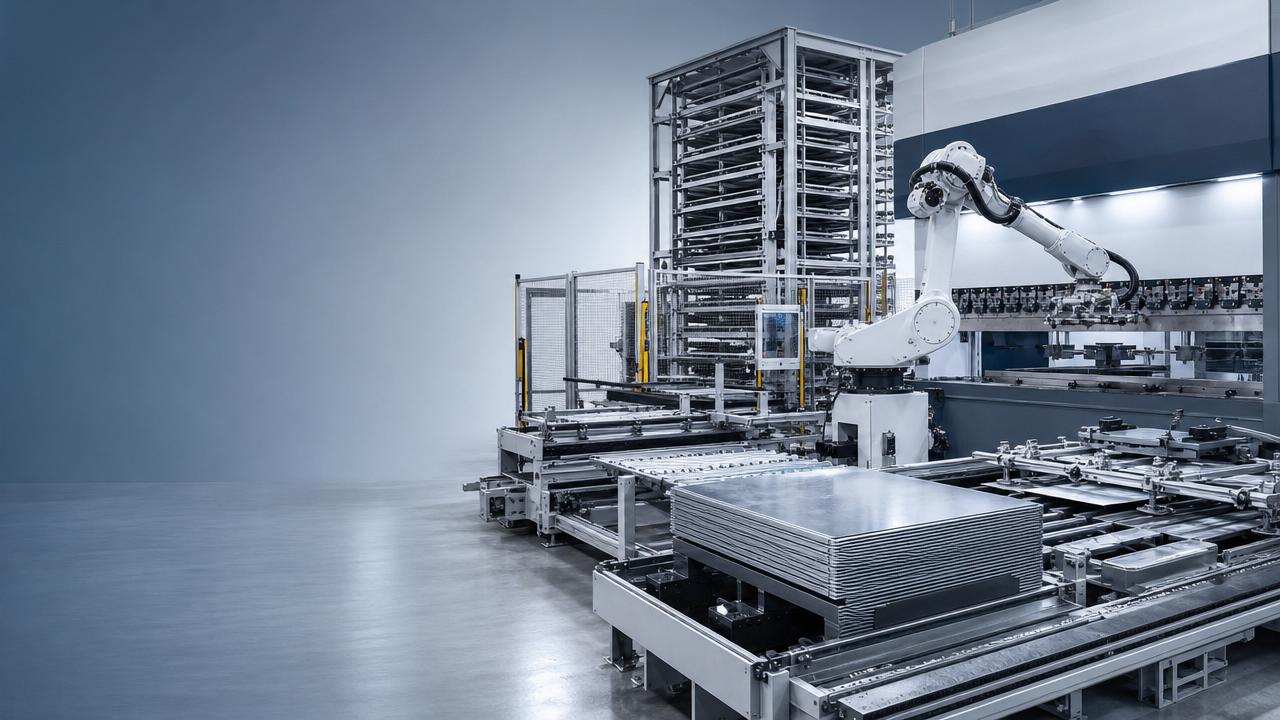
At the machine level, it often starts with laser cutting systems, CNC press brakes, automated storage, and material handling cells.
At the software level, it may include MES, scheduling tools, nesting optimization, quality tracking, and ERP integration.
The most effective setups share several traits:
- Machine data feeds update job status automatically.
- Material identity follows each part through cutting, bending, and downstream assembly.
- Programs and revisions are controlled from one source.
- Quality checks are tied to actual production events.
- Dashboards show bottlenecks before they become delivery failures.
In other words, smart manufacturing for sheet metal is less about isolated machines and more about connected operational discipline.
How It Raises Throughput on the Shop Floor
The first gain usually comes from planning accuracy.
If nesting software knows current inventory, machine readiness, and due dates, it can release jobs in a more realistic order.
That reduces waiting time between cutting and forming.
The second gain comes from setup reduction.
Digital job packets, tool libraries, and automated bend sequencing lower the chance of trial-and-error at the press brake.
Operators spend less time hunting for files or confirming revisions.
A third gain appears in flow control.
When part queues are visible across cells, supervisors can rebalance work before one machine starves while another builds excess WIP.
That is especially useful in mixed-volume environments.
Short runs, engineering changes, and rush orders no longer throw the whole schedule off as easily.
This is why smart manufacturing for sheet metal often improves throughput without simply adding more equipment.
How Digital Traceability Reduces Risk
Traceability is often discussed during audits, but the real benefit shows up much earlier.
A digitally traceable line makes it easier to identify which material lot, machine setting, operator action, or program revision affected a part.
That shortens root cause analysis.
It also limits the cost of containment.
Instead of quarantining a full day of production, teams can isolate only affected parts.
For regulated sectors, that matters even more.
Aerospace, medical, energy, and NEV supply chains increasingly expect documented process control, not just final inspection results.
From a commercial angle, traceability also strengthens customer confidence.
Smart manufacturing for sheet metal supports that confidence by making proof of performance easier to deliver.
Practical Use Cases Across Modern Fabrication
The strongest business case appears when digital tools solve everyday production pain.
Laser Cutting Cells
Connected laser systems can monitor cut time, nozzle status, assist gas use, and scrap trends.
That helps reduce unplanned downtime and improves nesting decisions for future orders.
Press Brake Operations
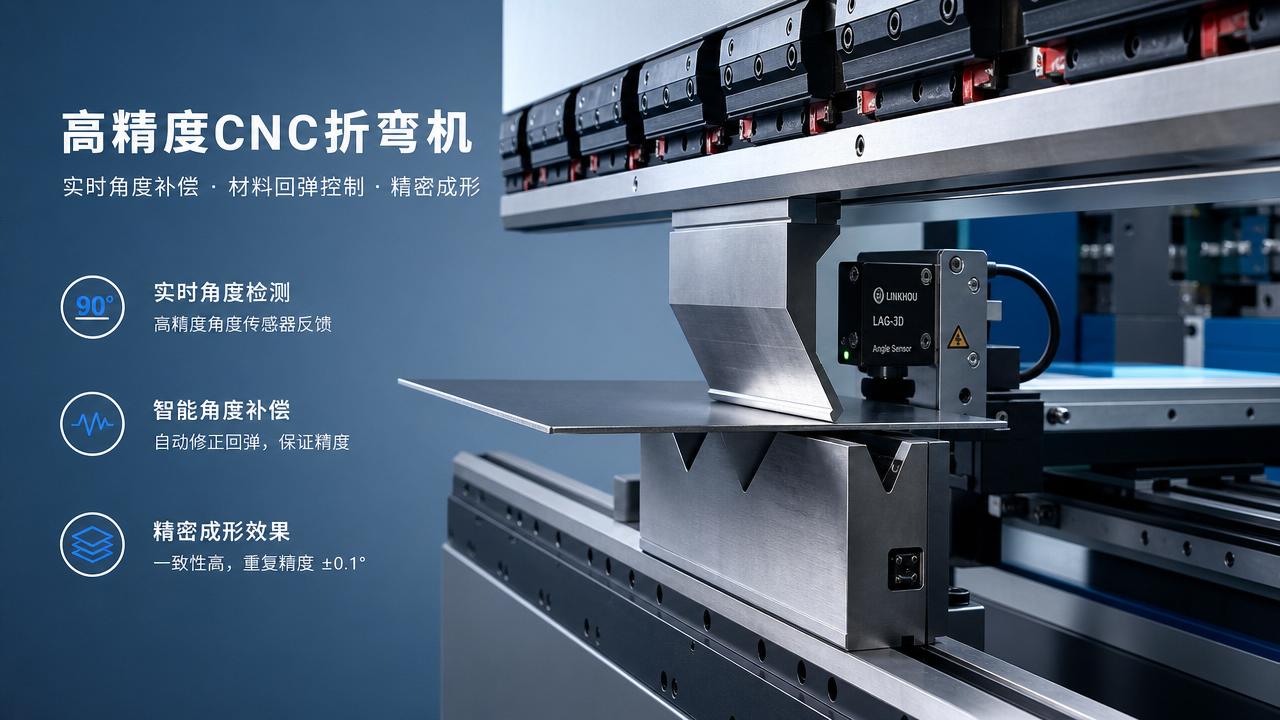
Angle measurement, tool verification, and program version control reduce variation between shifts.
The result is faster first-part approval and fewer rework loops.
Material Handling and WIP Control
Barcode, RFID, or digital traveler systems keep parts visible between stations.
That reduces lost batches, waiting time, and confusion over job priority.
High-Mix Production
This is where smart manufacturing for sheet metal delivers outsized value.
Frequent part changes become manageable because digital instructions and live status data replace verbal coordination.
What Decision-Makers Should Evaluate Before Investing
Not every plant needs full automation on day one.
The better approach is to identify the constraints that most directly limit output or create compliance risk.
A focused review should cover:
- Where jobs wait longest between processing steps.
- Which data is still entered manually.
- How often revision errors reach the shop floor.
- Whether current systems can trace parts to material and process history.
- Which machines can already share usable production data.
This kind of assessment prevents overspending on technology that looks advanced but does not solve the core operational issue.
In many cases, smart manufacturing for sheet metal begins with better software integration and process visibility, then expands into automation.
A Phased Roadmap That Delivers Results Faster
A staged rollout usually works better than a full replacement project.
- Map the current sheet metal workflow from material receipt to final shipment.
- Connect critical machines and capture real-time production events.
- Standardize digital job instructions, tooling data, and revision control.
- Add traceability links for material lots, inspections, and nonconformance records.
- Use the new data to refine scheduling, labor deployment, and preventive maintenance.
This sequence creates measurable wins early.
It also gives teams time to adapt without disrupting deliveries.
That balance is important because technology adoption fails when process ownership is weak.
The Strategic Value of Smarter Sheet Metal Operations
From a recent market view, the clearer signal is not just higher automation.
It is the shift toward connected, accountable, and data-rich fabrication.
That shift aligns with the broader direction of advanced manufacturing, where precision, flexibility, and documented control increasingly define competitiveness.
For organizations evaluating capacity expansion or digital transformation, smart manufacturing for sheet metal is a practical lever.
It improves throughput by reducing waiting, rework, and avoidable setup loss.
It strengthens traceability by tying every part to its material, machine, and process history.
Most importantly, it turns sheet metal production into a system that is easier to scale, audit, and improve.
The next useful step is simple: identify one high-friction workflow, connect its data, and measure the throughput and traceability gains before expanding further.
Product Recommendations
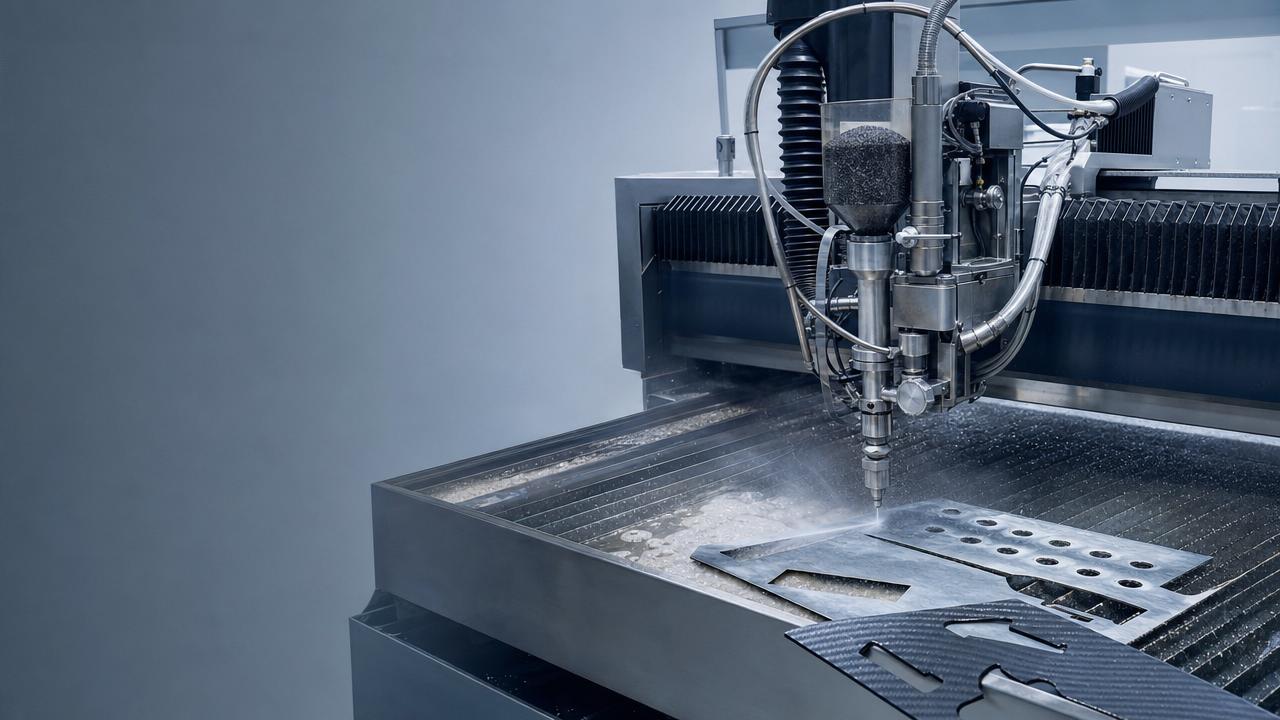
 Abrasive Delivery SystemsIndustrial Waterjet Cutters: Abrasive Costs That Erode MarginsAnalyst :5-Axis Machining Scientist
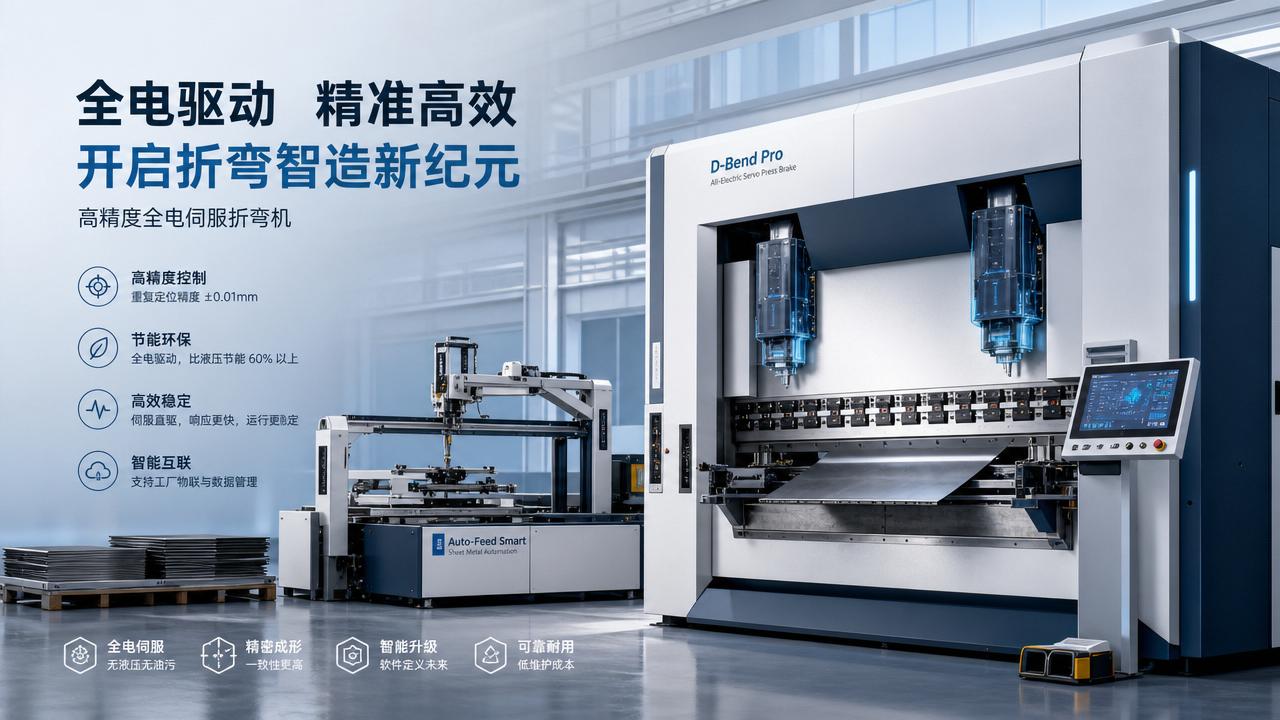
 All-Electric Press BrakesAll-Electric Servo Drives: Energy Savings vs Upgrade CostAnalyst :Precision Turning Architect
 All-Electric Press BrakesReal-Time Angle Compensation: What It Fixes and What It Doesn'tAnalyst :Precision Turning Architect
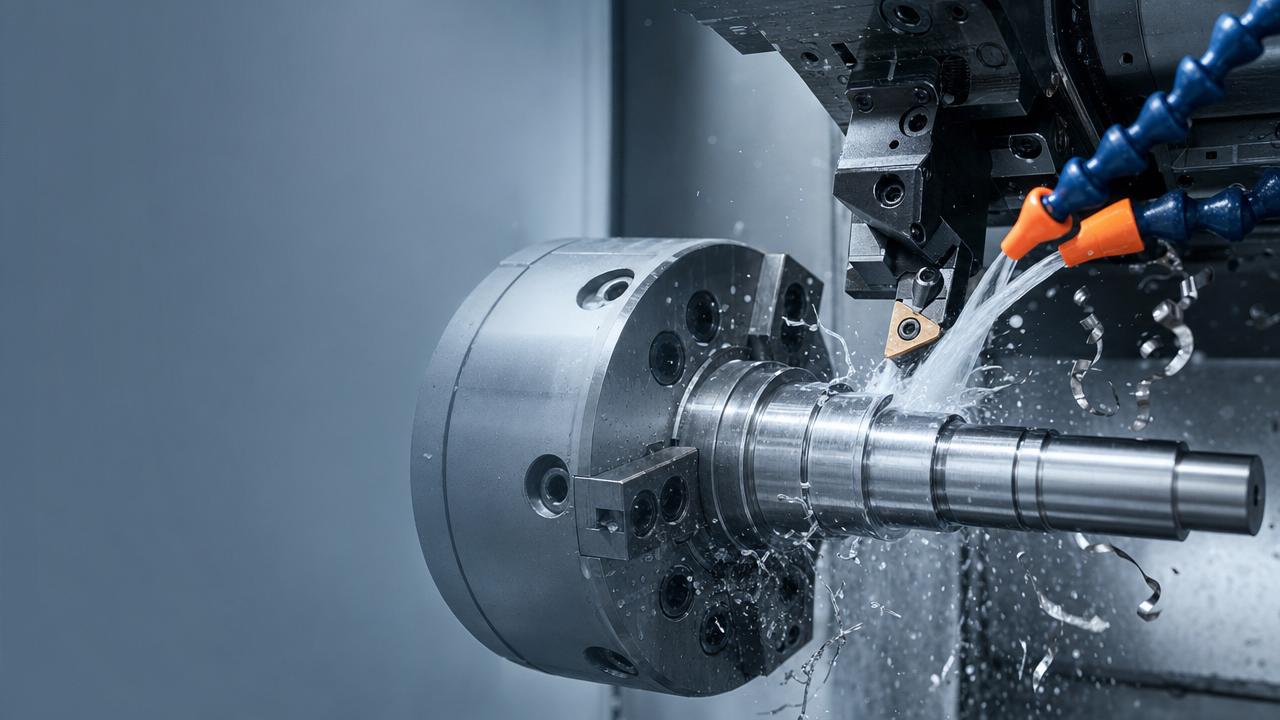
 Latest Sector NewsHigh-Strength Steel Machining: Tool Life Myths to AvoidAnalyst :Dr. Alistair Vaughn
 3D 5-Axis LaserComposite Material Cutting Without Delamination: Key MethodsAnalyst :
 Robotic Bending CellsAutomated Sheet Metal Forming: Hidden Setup Costs ComparedAnalyst :Precision Turning Architect