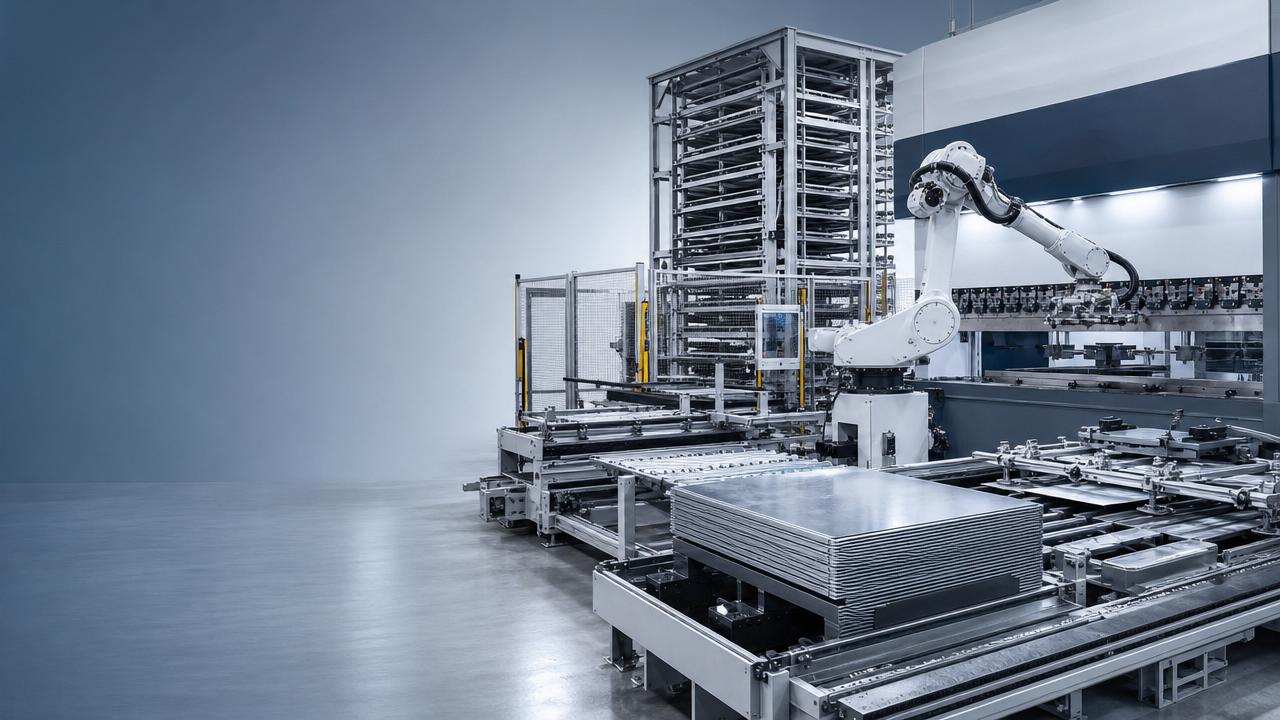
EV battery enclosure manufacturing has moved to the center of EV program execution because the enclosure is no longer a simple box. It is a structural, thermal, sealing, and safety-critical assembly.
For many vehicle platforms, enclosure decisions now affect mass targets, underbody stiffness, pack serviceability, launch timing, and supplier risk at the same time.
That is why the most useful discussion is not only about materials. It is about how forming and joining methods shape cost, quality, throughput, and long-term scalability.
Why battery enclosures demand process-level attention
A battery enclosure usually includes the tray, cover, cross members, mounting interfaces, cooling integration features, and sealing surfaces.
Each of those features imposes a manufacturing requirement. Flatness matters for sealing. Geometric consistency matters for module fit. Joint integrity matters for crash loads and environmental protection.
In practice, EV battery enclosure manufacturing sits at the intersection of sheet metal forming, precision cutting, machining, and multi-process joining.
This is also where AMTS-style manufacturing intelligence becomes valuable. Looking at the enclosure through the lens of laser cutting, press brake forming, 5-axis machining, and cold cutting reveals where hidden program risks usually start.
Material choice sets the path, but process choice decides the result
Most battery enclosures are built from aluminum, high-strength steel, or hybrid combinations. Composite content appears in selected designs, but metals still dominate high-volume programs.
Aluminum supports lightweighting and corrosion resistance. Steel supports stiffness, cost control, and impact performance in specific architectures.
Yet the important point is this: the same material can perform very differently depending on the forming route, edge quality, and joining strategy.
For example, an enclosure made from thin aluminum sheet may look attractive on paper, but if distortion control after welding is weak, sealing reliability can become the real bottleneck.
Typical process priorities by design target
Key forming methods behind modern enclosures
The forming route often depends on enclosure size, depth, geometry, and annual volume. There is no universal best method.
Stamping and deep drawing
Stamped trays and covers remain common in high-volume EV battery enclosure manufacturing. They support repeatability, efficient part output, and good integration with automated lines.
The challenge is tooling investment and formability limits. Larger draw depths, sharp transitions, and lightweight alloys can increase wrinkle risk, thinning, and springback.
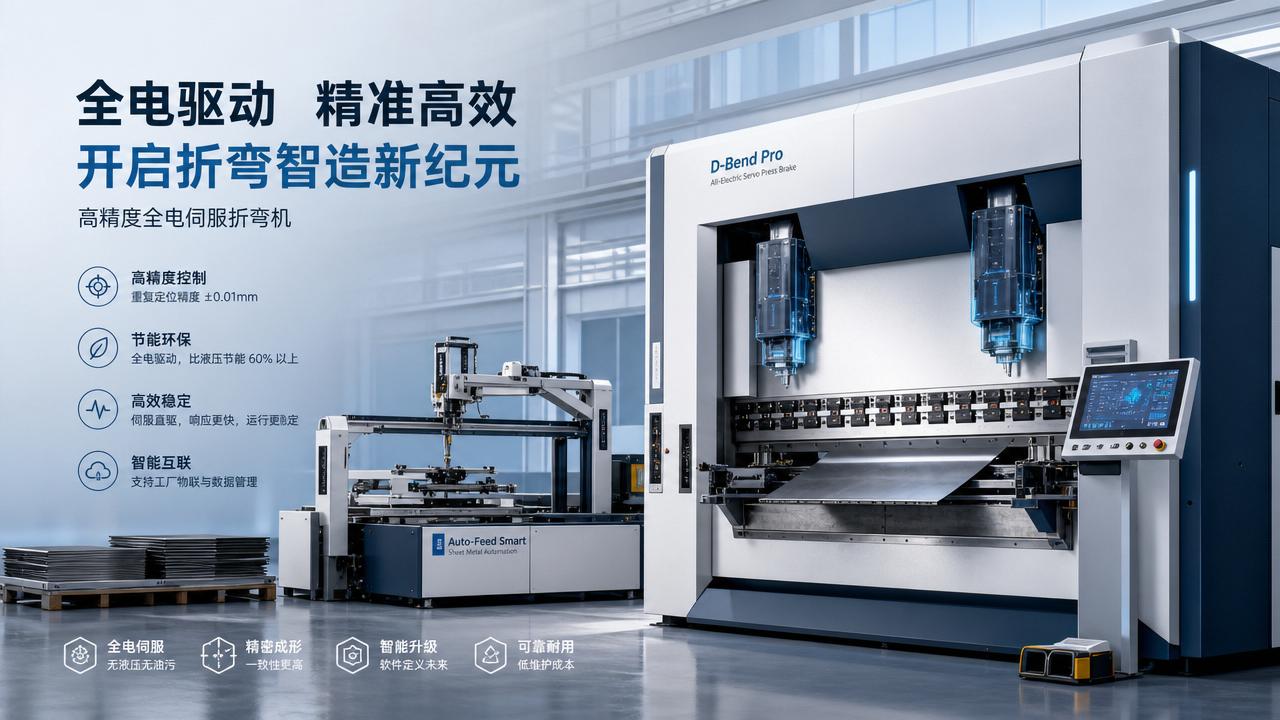
Press brake forming for modular structures
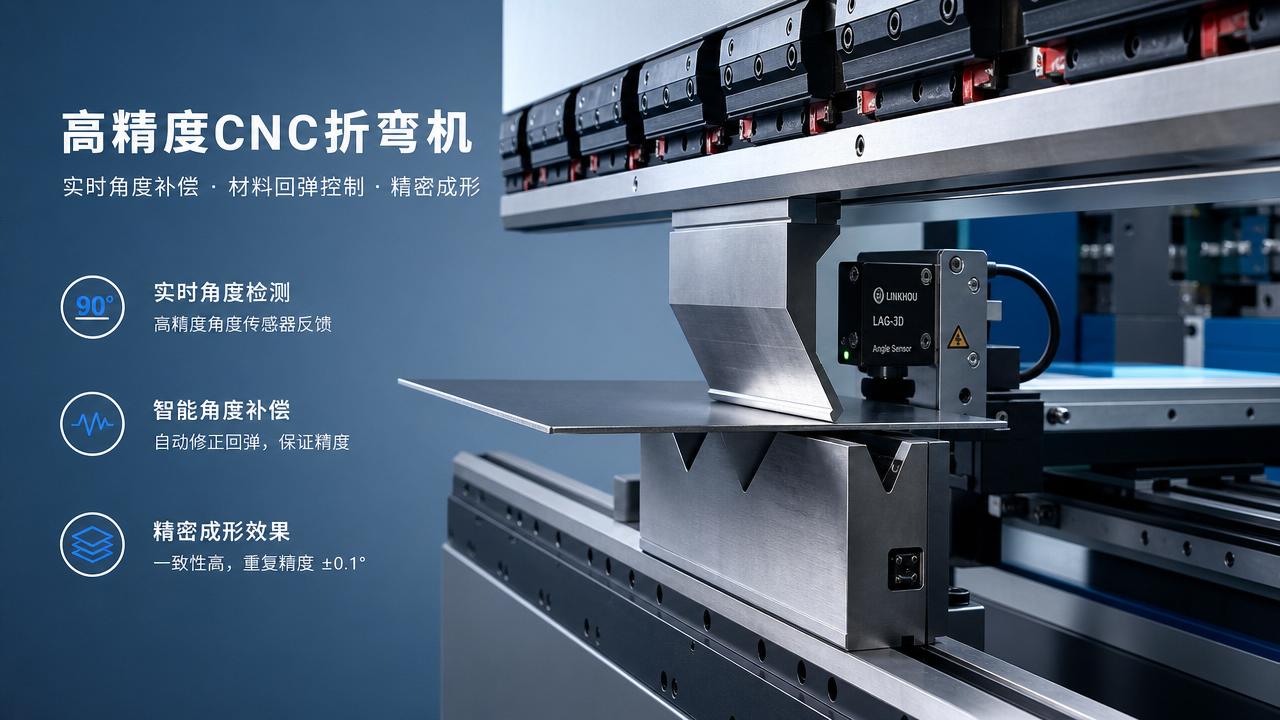
Press brake forming is highly relevant for side rails, covers, brackets, and lower-volume enclosure variants.
Modern CNC press brakes with angle compensation improve consistency across mixed thicknesses and high-strength materials. That flexibility helps during prototype, pilot, and regional production phases.
However, bend sequencing, flange access, and accumulated tolerance stack-up must be reviewed early. A bendable design is not always an assembly-friendly design.
Extrusion plus secondary machining
Many enclosure frames use aluminum extrusions for side members or cross beams. This route provides high section efficiency and functional integration.
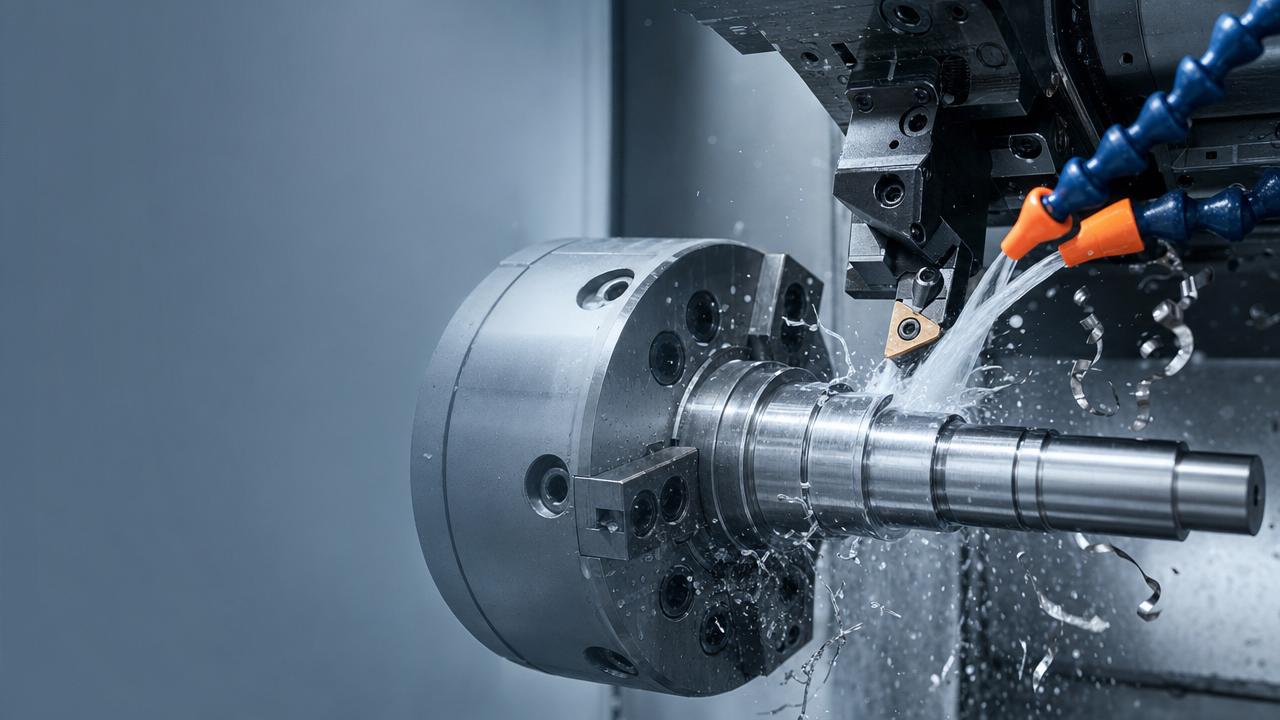
Once extrusions enter the design, 5-axis machining becomes important for end features, joint interfaces, coolant paths, and tight assembly datums.
The advantage is precision. The downside is machining time, fixture strategy, and interface management between cut, machined, and formed parts.
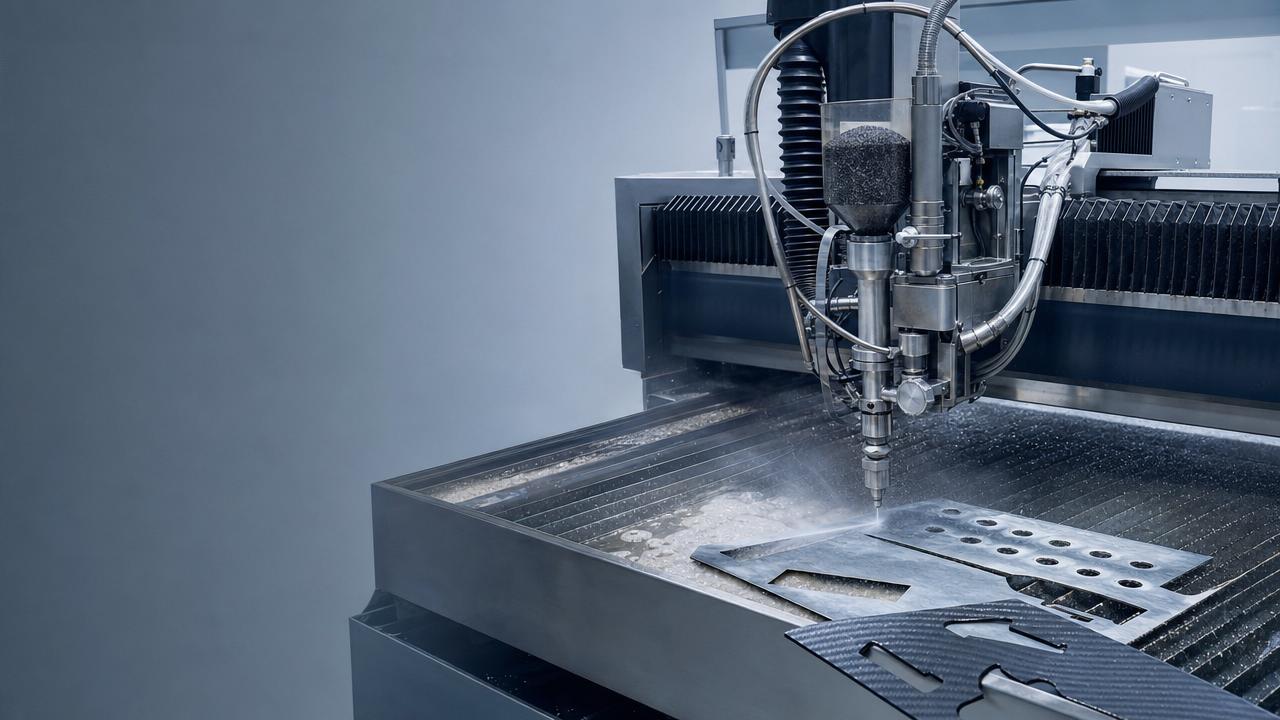
Laser cutting and waterjet preparation
Before parts are formed or joined, edge preparation quality matters more than it seems.
Fiber laser cutting supports speed and flexible nesting for aluminum and steel sheets. It is often the preferred route for precision blanks and complex openings.
Waterjet cutting becomes attractive when heat input must be minimized, especially for sensitive stacks, coated materials, or hybrid structures where HAZ creates downstream concerns.
Joining methods that define enclosure reliability
If forming creates the shape, joining creates the final risk profile. Most field failures trace back to distortion, leakage, galvanic interaction, or weak process control at the joints.
Laser welding
Laser welding is widely used in EV battery enclosure manufacturing for its speed, narrow bead profile, and automation potential.
It performs well where fit-up is tightly controlled. It also supports long seam welding on trays and covers with relatively clean visual results.
Still, gap sensitivity and reflective aluminum behavior require disciplined fixture design, joint preparation, and process monitoring.
MIG and TIG welding
Arc welding remains common for structural sections, prototypes, and lower-volume assemblies. It offers broader tolerance absorption than laser welding.
The trade-off is greater heat input, larger distortion risk, and more post-process correction. For large enclosure floors, that can affect sealing surfaces and downstream pack integration.
Self-piercing riveting and flow-drill fastening
Mechanical fastening is especially useful in mixed-material or coated assemblies. It reduces thermal distortion and often works well with adhesives.
These methods also support serviceable subassemblies in selected architectures. But access direction, stack thickness, and local joint stiffness must be checked carefully.
Structural adhesive bonding
Adhesives are now an important part of EV battery enclosure manufacturing because they distribute loads, improve sealing, and complement rivets or welds.
Their value is highest when joint design, cure control, and surface preparation are treated as production variables, not lab assumptions.
How the main joining routes compare
What usually drives project risk
In enclosure programs, the largest risks are rarely isolated to one machine or one process step.
They appear when upstream and downstream assumptions do not match. A laser-cut edge may be acceptable for forming, but not ideal for a sealing flange after welding.
A stamped tray may meet dimensional checks before joining, then miss flatness after thermal input. A strong joint may pass static testing, then create corrosion concerns in a mixed-metal stack.
- Check tolerance chain logic from blank to final seal surface.
- Review fixture strategy together with joining sequence.
- Separate prototype feasibility from production stability.
- Verify that leak testing reflects actual thermal and mechanical loads.
- Evaluate automation readiness, not only single-part capability.
How to assess supplier and process readiness
A practical review of EV battery enclosure manufacturing should go beyond equipment lists.
The more useful questions concern process windows, metrology discipline, repair strategy, and line integration.
Suppliers with advanced laser systems, CNC press brakes, 5-axis machining centers, and waterjet capability may solve problems faster, but only if those capabilities are connected through stable process engineering.
That broader view aligns with how AMTS tracks manufacturing foundations: machine precision, toolpath control, thermal behavior, and automation compatibility are not separate topics in enclosure production.
Useful review points during sourcing or process validation
- Can the forming route hold flange geometry without excessive rework?
- Is joint quality monitored in-line or only checked afterward?
- Are machining datums aligned with final pack interfaces?
- Does the line support design changes without major disruption?
- Is there evidence of repeatable sealing performance at volume?
Where the next decisions should focus
The next step in EV battery enclosure manufacturing is not choosing a fashionable process. It is building a clear decision path between design intent and production reality.
Start by ranking what matters most in the enclosure: mass, crash behavior, sealing margin, repairability, launch speed, or regional supply resilience.
Then compare forming and joining routes as a system, not as isolated technologies. That usually reveals whether the better answer is a stamped aluminum tray, a hybrid extruded frame, or a modular sheet-based structure.
For teams following global EV and machine tool trends, the strongest advantage comes from linking design review with real process intelligence early. That is where enclosure strategy becomes easier to scale and harder to derail.
Product Recommendations
 Abrasive Delivery SystemsIndustrial Waterjet Cutters: Abrasive Costs That Erode MarginsAnalyst :5-Axis Machining Scientist
 All-Electric Press BrakesAll-Electric Servo Drives: Energy Savings vs Upgrade CostAnalyst :Precision Turning Architect
 All-Electric Press BrakesReal-Time Angle Compensation: What It Fixes and What It Doesn'tAnalyst :Precision Turning Architect
 Latest Sector NewsHigh-Strength Steel Machining: Tool Life Myths to AvoidAnalyst :Dr. Alistair Vaughn
 3D 5-Axis LaserComposite Material Cutting Without Delamination: Key MethodsAnalyst :
 Robotic Bending CellsAutomated Sheet Metal Forming: Hidden Setup Costs ComparedAnalyst :Precision Turning Architect