A competitive quotation is only useful if the supplier can consistently make the parts, measure the features that matter, and deliver the required quantity when it is needed. For most buyers, the strongest precision metalworking supplier is the one that can demonstrate all three under the conditions of the actual order—not simply quote an impressive machine tolerance or the shortest possible lead time.
Start by separating the requirements that affect fit, function, and delivery from those that are negotiable. A supplier may be well suited to a small batch of complex machined components but less competitive for repeat sheet metal production. Another may have ample cutting capacity but rely on outside partners for finishing or inspection. The right choice depends on the complete manufacturing route, the evidence behind the quotation, and the consequences of a late or nonconforming delivery.
Translate tolerances into a manufacturing and inspection plan
A tolerance on a drawing describes an acceptance requirement; it does not, by itself, explain how difficult or costly the part will be to produce. The material, geometry, surface finish, datum structure, batch size, and sequence of operations all affect whether a supplier can hold that requirement consistently.
Before requesting quotations, identify the dimensions and geometric characteristics that are critical to assembly or performance. Explain how the part will be used, which surfaces locate it, and whether any features must maintain their relationship after heat treatment, coating, forming, or assembly. This gives suppliers enough context to propose a feasible process and flag requirements that may drive unnecessary cost.
Ask each candidate to explain how critical features will be produced and verified. A useful response should address the proposed setup, the intended inspection method, and the points in the process where measurements will be taken. For a part with several tightly related faces, for example, a supplier may propose machining more features in one setup to reduce errors caused by repositioning. That approach can be valuable, provided the machine has suitable access and the part can be held securely.
Machine capability and finished-part capability are different claims. Equipment specifications do not account for every source of variation in a particular job. Workholding, tool wear, material movement, temperature, operator practices, and measurement uncertainty can all affect the result. Ask for evidence relevant to the part and production conditions, such as a sample inspection report, an agreed capability study, or inspection records from a comparable process where disclosure permits.
Measurement deserves the same scrutiny as machining. Check whether the supplier has equipment suited to the feature, whether it is calibrated, and whether the proposed method can provide confidence at the specified tolerance. Also agree on the datum references and inspection approach before production; two parties using different setups or measurement methods can reach different conclusions about the same part.
Apply tight requirements where they create value
A drawing that applies very tight tolerances to every feature can increase machining time, inspection effort, scrap exposure, and supplier pricing. Conversely, relaxing a dimension that controls a bearing fit or sealing surface can create expensive assembly problems. Engineering and procurement should review critical characteristics together, rather than treating every drawing requirement as equally flexible.
Where a supplier proposes an alternative tolerance or manufacturing method, route the change through engineering approval before revising the order. The commercial saving should be weighed against fit, function, interchangeability, and any downstream qualification work.
Match the manufacturing route to the part
The equipment list is a starting point for discussion, not a substitute for a process plan. A buyer comparing suppliers should understand which operations each quotation includes, which are performed in-house, and where parts will move between facilities.
- Five-axis machining can provide access to complex features and reduce the number of setups. Its value depends on part geometry, access for cutting tools, workholding, programming, and the required inspection strategy.
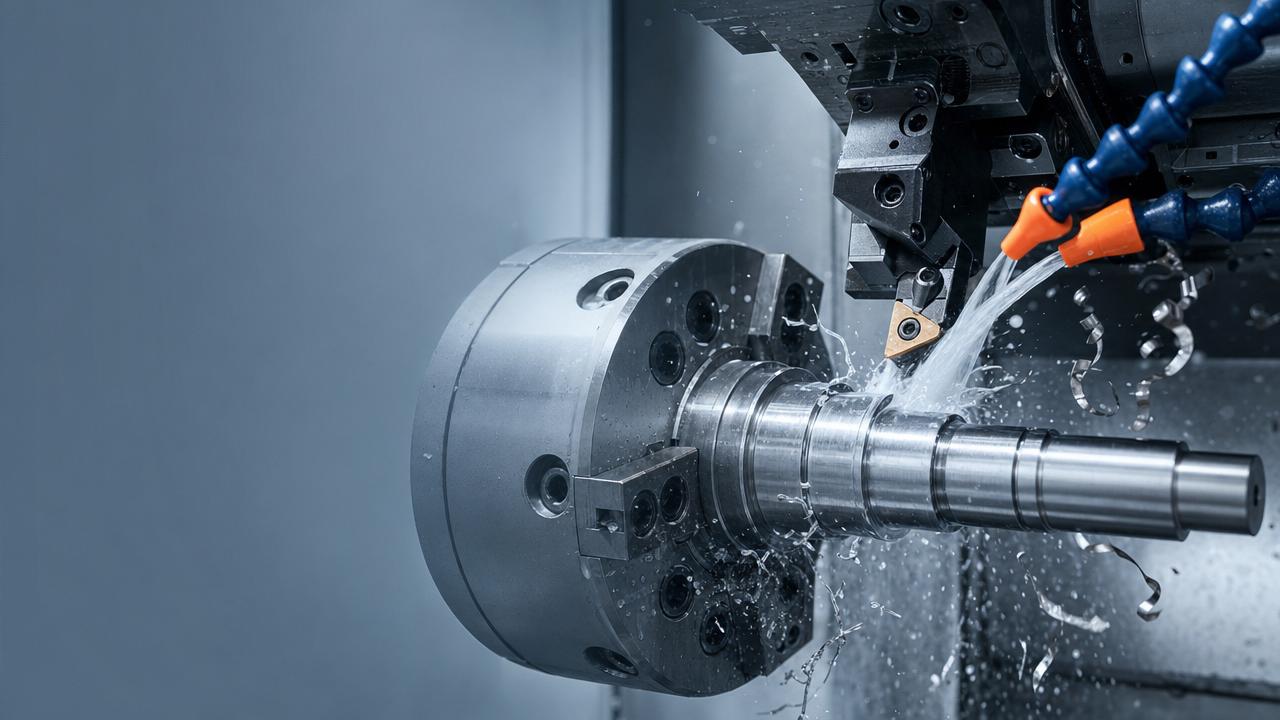
- CNC turning is well suited to many rotational parts. Features away from the axis may require additional milling, another setup, or equipment with combined turning and milling capability.
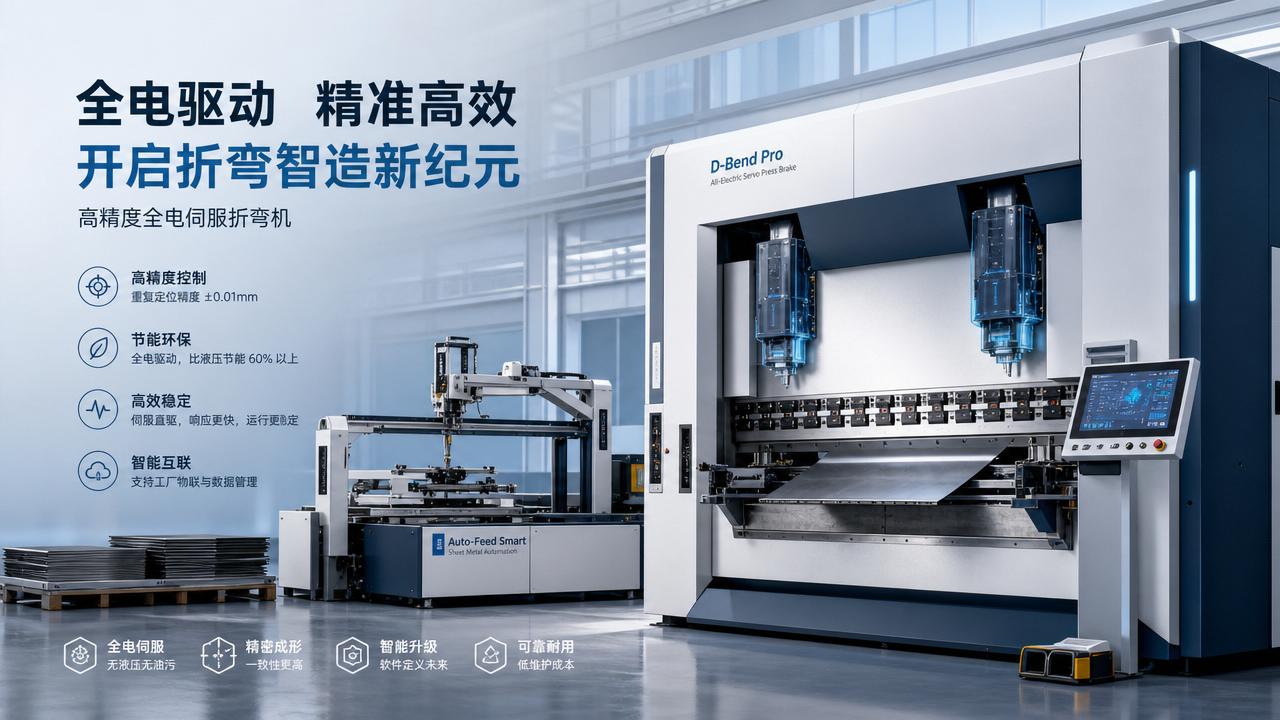
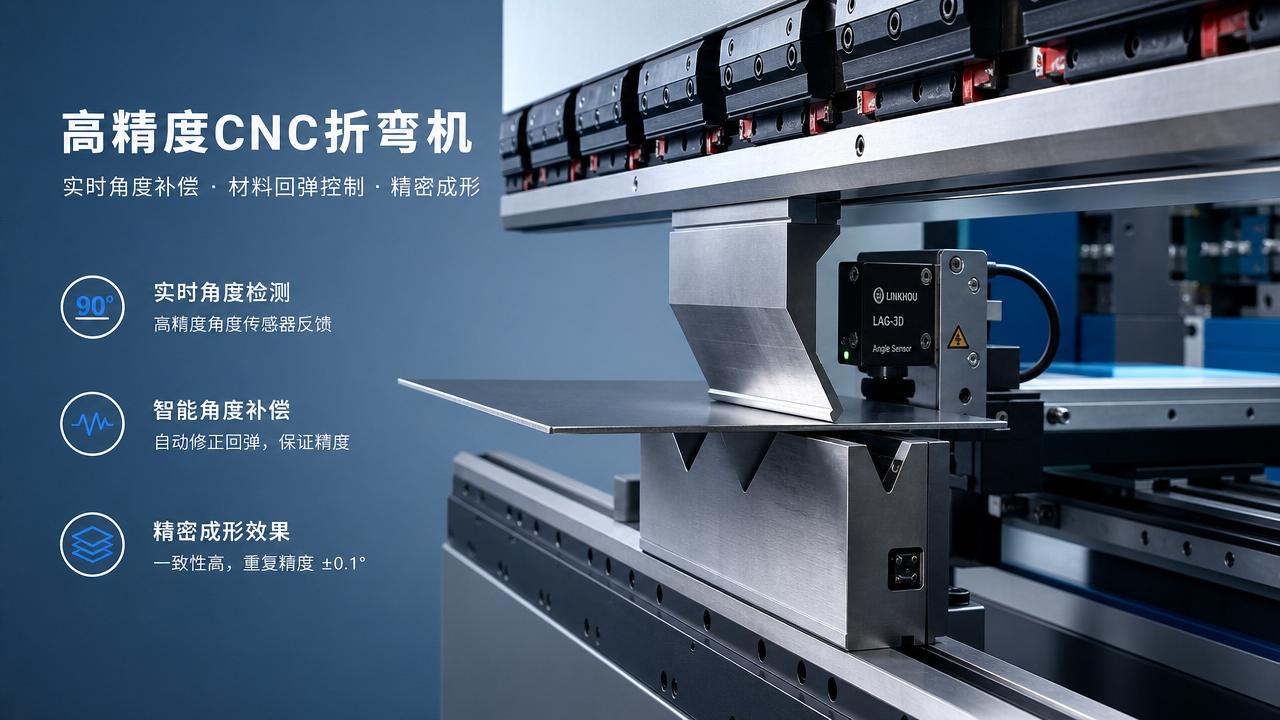
- Laser cutting and forming can be efficient for sheet metal components, but cutting accuracy alone does not establish the final accuracy of a formed part. Material behavior, bend sequence, tooling, and springback affect the finished geometry.
- Waterjet cutting avoids a heat-affected zone from the cutting process and can be useful for heat-sensitive materials. Edge quality, taper, and the need for secondary machining still depend on the material and job requirements.
For a formed enclosure with precision mounting holes, the decision may turn on whether the holes are cut before bending or machined afterward, and how their positions are inspected against the formed datums. A low cutting price does not settle that question. Request a description of the full route through cutting, forming, machining, finishing, and final inspection, as applicable.
Subcontracted operations are not necessarily a weakness. The important commercial questions are who controls them, how quality requirements flow down, how transit and queue time are included in the schedule, and which party is accountable if the finished part fails inspection.
Test capacity against the order you intend to place
Installed machines do not equal available production capacity. A supplier may own the right equipment but have limited access to it during the required delivery window. Programming, setup, tooling, operator availability, inspection, and outside processing can all constrain throughput.
Give candidates a demand profile rather than a single annual quantity: expected release sizes, frequency, forecast range, initial order date, requested delivery schedule, and any likely ramp-up. Ask how they would accommodate both the first batch and repeat orders. A shop that can produce a prototype quickly may need a different setup, fixture, or inspection approach to support stable production volumes.
Capacity questions should be specific enough to expose dependencies:
- Which operation is expected to limit throughput, and what happens if that resource becomes unavailable?
- How much setup or dedicated tooling is required before the first acceptable batch?
- Can inspection and finishing keep pace with machining or cutting?
- Which steps depend on subcontractors, and have their slots been included in the quoted schedule?
- How much flexibility is available if order quantities or release dates change?
For a critical or recurring component, consider a trial order or phased release that exercises the proposed route. A first article can establish whether the initial parts meet requirements; a repeat batch adds evidence about setup repeatability and the supplier’s ability to support the agreed schedule. Neither guarantees future performance, so the purchase agreement should also define how changes, delays, and nonconformances will be handled.
Read lead time as a sequence, not a single number
Two quotations with the same stated lead time may cover different work. One supplier may count from receipt of the purchase order; another may count from drawing approval, material receipt, or completion of tooling. Clarify the starting event and whether the quoted date refers to first article, completion of the full quantity, shipment, or delivery to your site.
A practical schedule should account for material procurement, engineering review, programming, fixtures, production, outside processing, inspection, documentation, packing, and transport. If first-article approval is required, agree how long each party has to review and respond, and whether full production can begin before approval. Buyer-side decisions can affect the delivery date as much as shop-floor availability.
Ask suppliers to identify assumptions that could change the schedule, particularly material availability, customer-supplied components, special tooling, and subcontracted finishing. For repeat orders, distinguish a lead time supported by an agreed material or capacity arrangement from one that assumes those resources will be available when the order arrives.
Where delivery is critical, agree on milestones and a notification process for emerging delays. A staged delivery can reduce disruption if partial quantities are useful, but confirm that the supplier can maintain traceability and inspection requirements across each shipment. Paying for an expedited slot is worthwhile only when the accelerated step is actually on the critical path.
Compare total cost on equivalent terms
The lowest unit price may be the best choice when suppliers quote the same scope and can meet the same requirements. The difficulty is establishing that equivalence. Request an itemized quotation, or at least a clear statement of inclusions, for material, tooling, programming, inspection, finishing, documentation, packing, freight, and applicable charges.
Separate one-time costs from recurring charges and check ownership and maintenance terms for dedicated fixtures or tooling. Compare prices at the intended release quantity, not just at an attractive volume that may never be ordered. Also ask how prices or lead times would be reviewed if material specifications, order quantities, or drawing revisions change.
Quality risk has a cost even when it does not appear on the quotation. Additional receiving inspection, sorting, rework, production interruptions, and replacement freight can outweigh a unit-price saving. Avoid assigning precise figures without evidence, but include these exposures in the decision—especially when a part is difficult to replace or a late shipment can stop an assembly line.
Before awarding the order, resolve the gaps that could produce competing interpretations later: the drawing revision, material and finish specifications, acceptance criteria, inspection records, delivery terms, and responsibility for nonconforming parts. A supplier that gives a clear, technically grounded quotation and identifies its assumptions gives procurement a firmer basis for negotiation than one offering a lower price with unresolved scope.
Want to dive deeper into these market dynamics, or need data-driven support for your next business move? Drop a line below and let the analysts at AMTS provide customized insights.
We respect your privacy. Your information is strictly confidential.
Product Recommendations
 Abrasive Delivery SystemsIndustrial Waterjet Cutters: Abrasive Costs That Erode MarginsAnalyst :5-Axis Machining Scientist
 All-Electric Press BrakesAll-Electric Servo Drives: Energy Savings vs Upgrade CostAnalyst :Precision Turning Architect
 All-Electric Press BrakesReal-Time Angle Compensation: What It Fixes and What It Doesn'tAnalyst :Precision Turning Architect
 Latest Sector NewsHigh-Strength Steel Machining: Tool Life Myths to AvoidAnalyst :Dr. Alistair Vaughn
 3D 5-Axis LaserComposite Material Cutting Without Delamination: Key MethodsAnalyst :
 Robotic Bending CellsAutomated Sheet Metal Forming: Hidden Setup Costs ComparedAnalyst :Precision Turning Architect