What Slows Industrial Robotics Integration on the Floor?
Industrial robotics integration often slows down not because robots lack capability, but because the shop floor is full of real-world constraints.
Legacy CNC interfaces, inconsistent part flow, fixture variation, safety routines, and production changes can delay even well-funded automation projects.
For machining, cutting, bending, and handling operations, the goal is not simply adding a robot.
The goal is building a stable daily workflow that protects precision, uptime, operator safety, and throughput.
1. Why does industrial robotics integration take longer than expected?
Industrial robotics integration is delayed when planning assumes ideal production conditions instead of actual floor behavior.
A robot repeats programmed motion accurately, but surrounding processes may not repeat with the same discipline.
Parts may arrive in mixed batches. Pallets may be slightly misaligned. Operators may adjust fixtures between shifts.
These small variations become serious obstacles when robotic loading, unloading, deburring, inspection, or machine tending is required.
In 5-axis CNC environments, micron-level tolerance depends on stable positioning, clean datums, and predictable clamping.
If the robot presents a blank inconsistently, downstream machining compensation cannot solve every positional error.
Industrial robotics integration also slows when automation is treated as a final equipment purchase decision.
Successful projects begin earlier, with process mapping, takt-time analysis, safety review, and data interface verification.
Common delay pattern
- The robot is selected before part presentation is standardized.
- Cycle time targets ignore machine door, chuck, probe, and coolant delays.
- Safety fencing changes access routes and slows manual recovery.
- CNC, PLC, MES, and vision systems cannot exchange reliable signals.
The issue is rarely one major failure. It is usually many small uncertainties accumulating around the robot cell.
2. How do legacy CNC machines affect industrial robotics integration?
Legacy CNC machines are one of the most common barriers to industrial robotics integration on established shop floors.
Older controls may lack modern communication protocols, standardized I/O, Ethernet connectivity, or remote status diagnostics.
A robot cell needs clear signals for door status, chuck clamp, cycle start, alarm state, and program completion.
If these signals are unavailable or unstable, integrators must add relays, gateways, sensors, or custom PLC logic.
That work increases engineering hours and makes validation more complex.
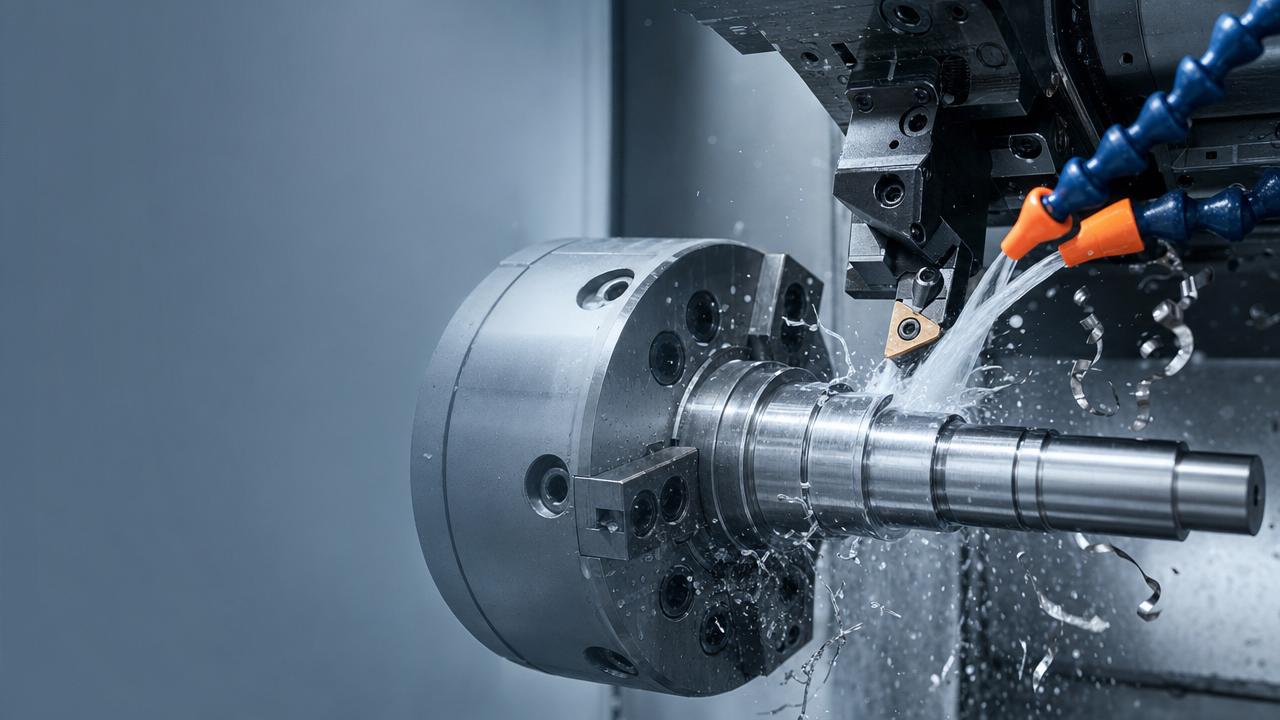
In CNC lathes, the robot must coordinate with chuck pressure, spindle orientation, part ejectors, and tailstock movement.
In 5-axis machining centers, coordination may include probing, pallet systems, tool life data, and RTCP-related process logic.
Industrial robotics integration becomes slower when each machine behaves like a separate automation language.
Practical checks before integration
- Confirm available machine signals and communication options.
- Document every manual step currently performed by operators.
- Measure real door-open, clamp, blow-off, and probing times.
- Check whether alarms can be classified, logged, and cleared safely.
A clear machine interface audit can prevent months of avoidable rework.
3. Why do fixtures, grippers, and part variation create delays?
Industrial robotics integration depends heavily on how parts are located, gripped, oriented, and released.
A robotic arm can be precise, yet the system fails if fixtures are not repeatable.
In metal cutting, rough castings, forged blanks, and saw-cut stock rarely share perfect geometry.
In laser cutting, sheet flatness, skeleton removal, and part nesting affect automated unloading performance.
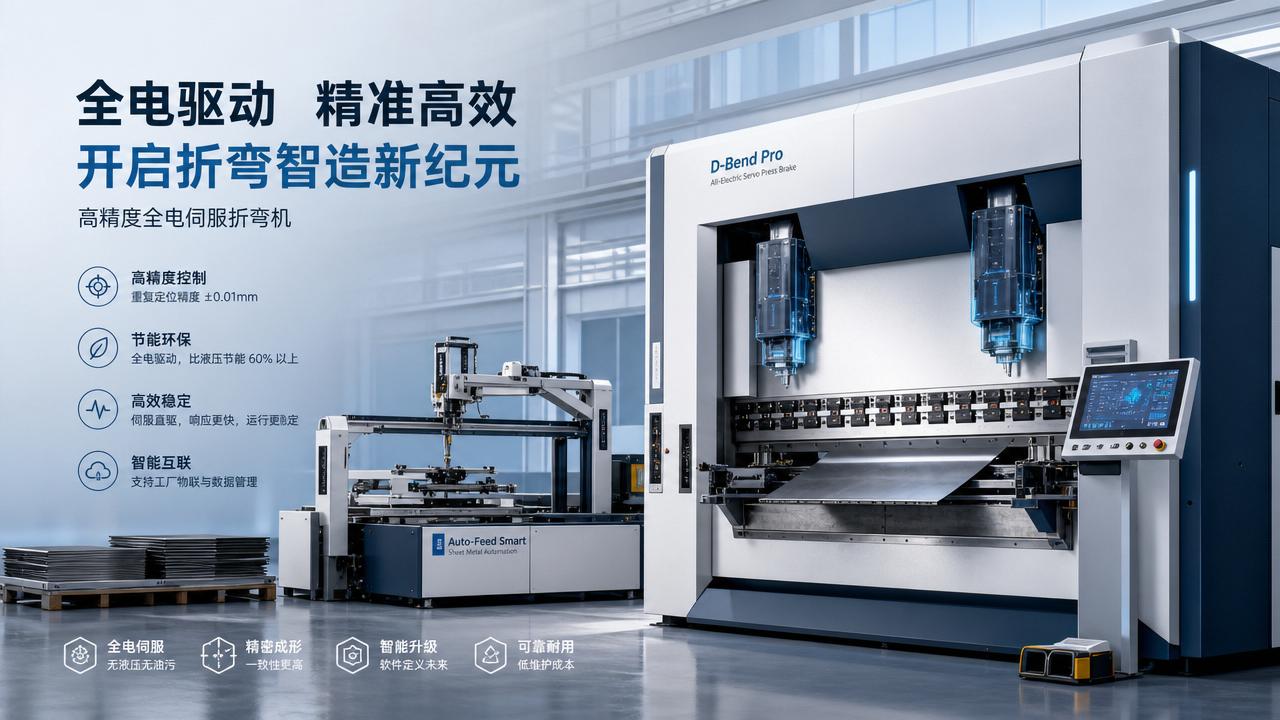
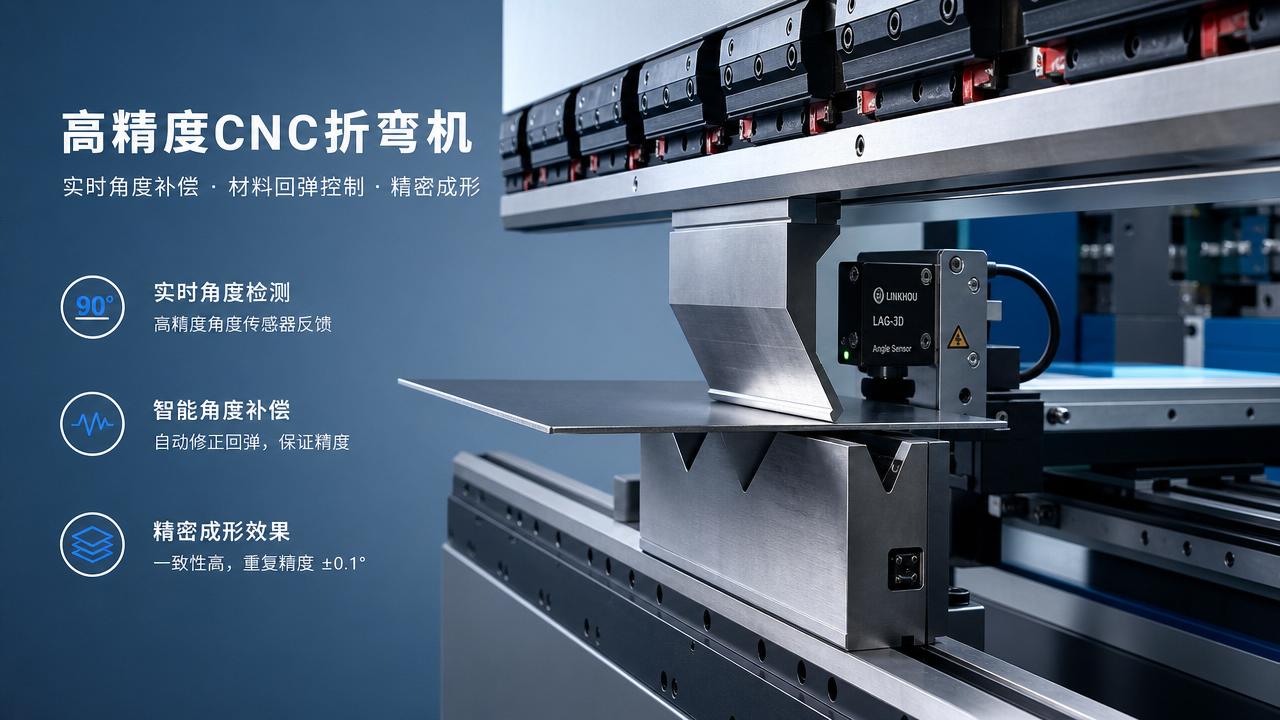
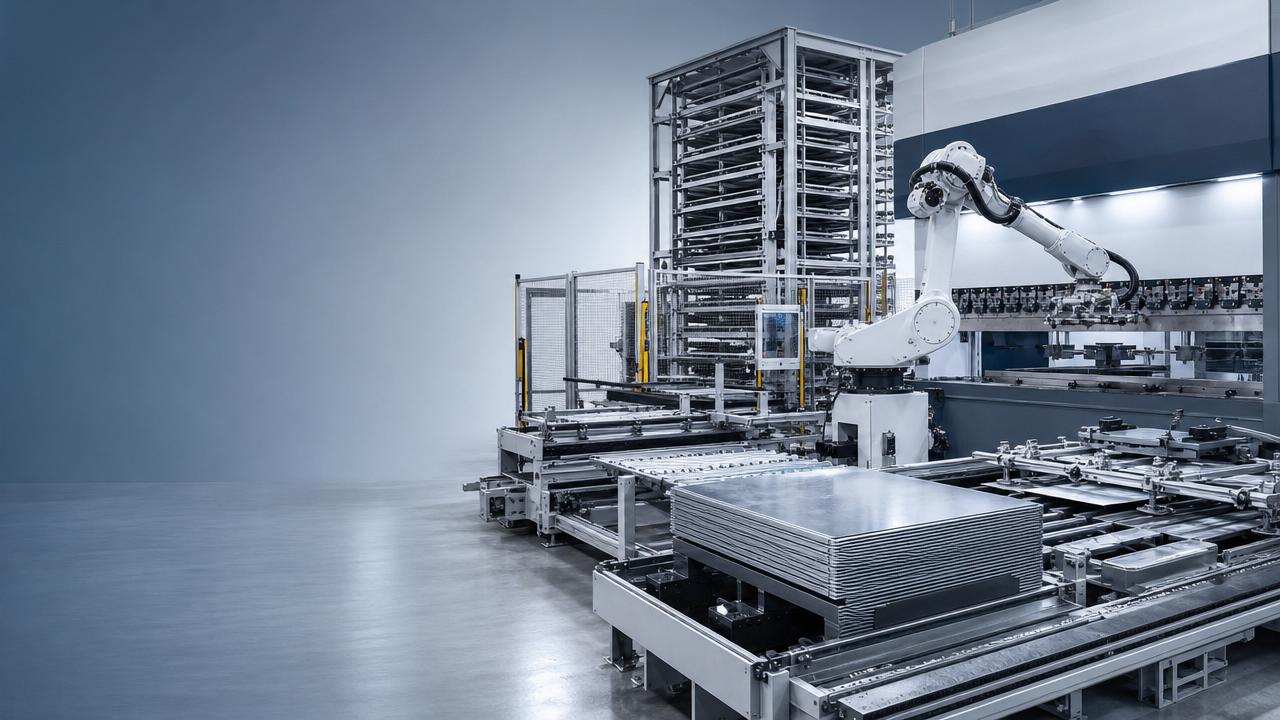
In press brake automation, blank position, material springback, bend sequence, and tooling clearance must be tightly controlled.
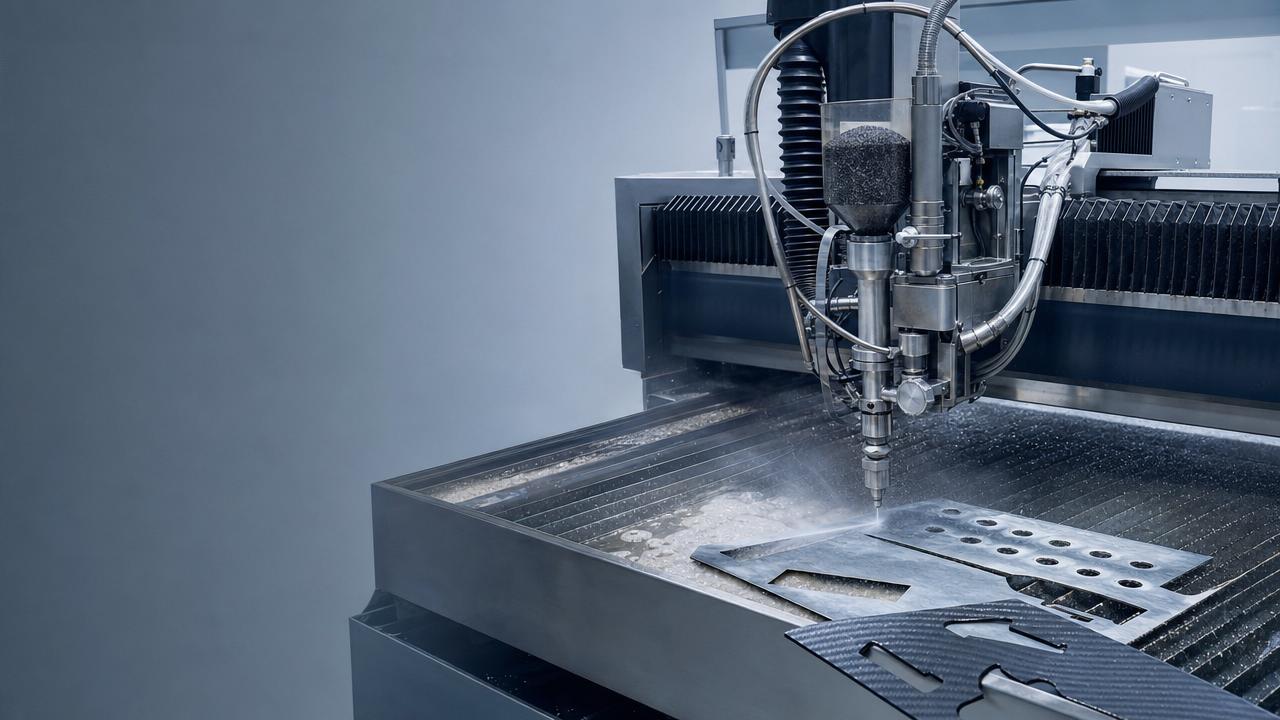
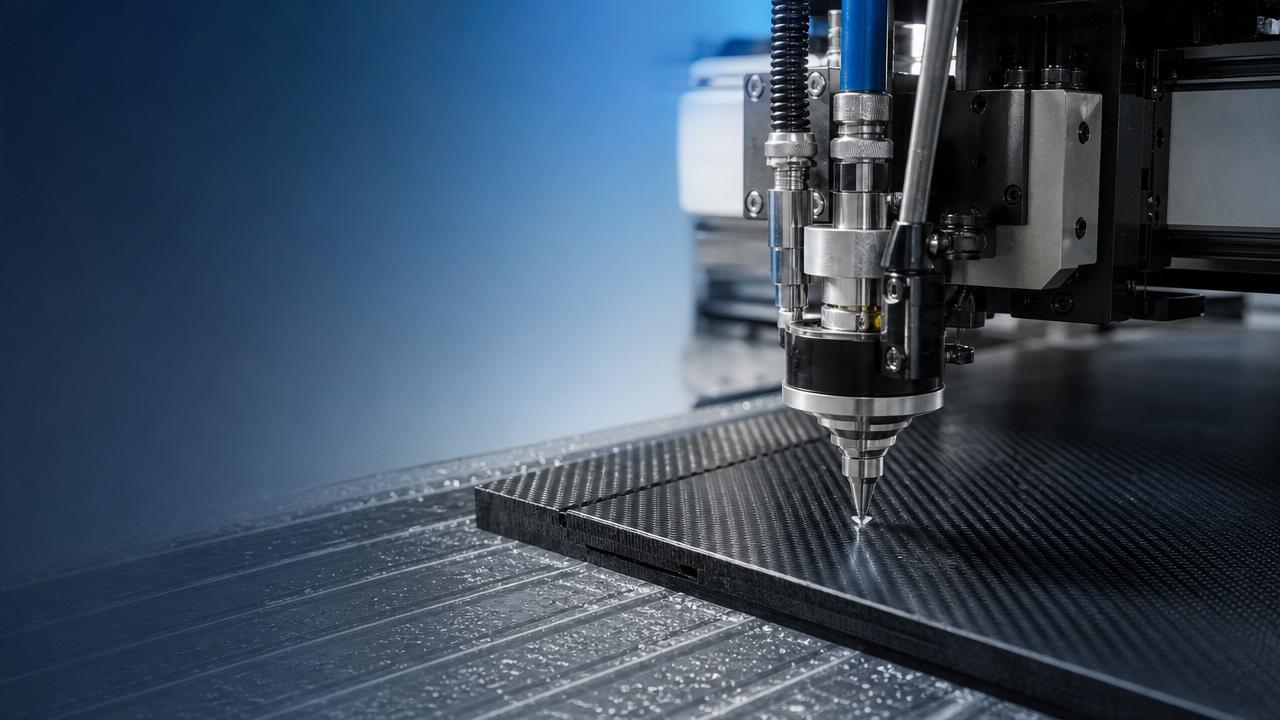
Waterjet cutting adds another challenge: wet surfaces, abrasive residue, and delicate materials can complicate handling.
Gripper design often receives less attention than robot payload or reach, but it determines process reliability.
Vacuum cups may struggle with oily blanks. Mechanical fingers may deform thin sheet. Magnetic grippers may attract chips.
Industrial robotics integration improves when part variation is engineered into the solution, not discovered during commissioning.
Fixture and gripper questions to ask
- Can the robot detect a misloaded or missing part?
- Does the fixture provide repeatable datums after thousands of cycles?
- Will chips, coolant, dust, or abrasive affect gripping?
- Can the gripper handle future part families without complete redesign?
A robust end-of-arm tool can save more uptime than a faster robot arm.
4. What role do safety and operators play in automation speed?
Safety is not a late-stage compliance task. It directly shapes industrial robotics integration speed.
Robot reach, machine access, pinch points, moving doors, conveyors, and stored energy must be assessed together.
A cell may meet production goals but fail if cleaning, tool change, or recovery access is awkward.
Poor access encourages bypass behavior, which creates safety risks and production instability.
Operators also influence industrial robotics integration because they understand practical exceptions.
They know which blanks arrive bent, which jaws wear fastest, and which alarms happen after coolant contamination.
Ignoring that knowledge leads to cells that work during demonstration but struggle during night-shift production.
Training must include more than teach pendant basics.
Teams need recovery routines, safe restart procedures, fault diagnosis, gripper maintenance, and changeover discipline.
Safety and usability reminders
- Place reset and inspection points where recovery is visible and safe.
- Design access for tool changes, nozzle cleaning, and fixture maintenance.
- Use clear HMI messages instead of cryptic fault codes.
- Review collaborative robot assumptions against payload, speed, and tooling hazards.
The fastest automated cell is often the one easiest to recover safely.
5. How do data, software, and scheduling slow industrial robotics integration?
Modern industrial robotics integration depends on more than mechanical motion and electrical wiring.
Production scheduling, program management, traceability, and quality data must align with automated execution.
Many floors still rely on paper travelers, manual program selection, and operator memory.
That can work with skilled manual operation, but robots require unambiguous instructions.
If job data is incomplete, the robot may load the wrong blank or call the wrong CNC program.
If tool life data is disconnected, a machine may continue cutting with worn inserts until parts fail inspection.
Industrial robotics integration becomes stronger when cell control connects CNC status, inspection feedback, and production planning.
However, too much software customization can also delay deployment.
The best approach is usually phased: start with essential signals, then expand analytics after stable operation.
Useful data priorities
- Machine ready, running, stopped, alarm, and complete status.
- Correct part, fixture, gripper, and CNC program verification.
- Cycle time, downtime reason, and recovery event logging.
- Inspection results linked to batch, tool, and machine condition.
Reliable basic data is more valuable than an impressive dashboard built on incomplete signals.
6. How can automation projects reduce delay and reach stable output?
Reducing delay in industrial robotics integration requires a practical sequence, not a single technology choice.
Start by choosing a process with clear repeatability, measurable downtime, and predictable part families.
Avoid beginning with the most chaotic product mix unless the business case justifies advanced flexibility.
Next, freeze the process assumptions before detailed engineering begins.
Define acceptable variation in blanks, fixtures, cycle time, inspection requirements, and changeover frequency.
Then test the highest-risk interfaces early, especially CNC communication, gripper performance, and safety recovery routines.
For machining and forming environments, simulate reach and motion, but also validate chips, coolant, dust, and ergonomics.
Industrial robotics integration succeeds when commissioning confirms production reality, not only programmed paths.
This checklist supports industrial robotics integration by turning hidden assumptions into visible engineering tasks.
FAQ: practical answers on industrial robotics integration
Is the robot usually the biggest problem?
Usually not. The robot is often the most visible component, but surrounding process variation causes most delays.
Industrial robotics integration depends on machines, tooling, fixtures, sensors, safety, and production discipline working together.
Which applications are easier to automate first?
Machine tending for stable part families is often a good starting point.
Simple palletized loading, repeatable CNC cycles, and limited gripper changes reduce commissioning risk.
When does vision help, and when does it add complexity?
Vision helps when part location or orientation varies within manageable limits.
It adds complexity when lighting, surface finish, coolant, or part overlap changes unpredictably.
How should ROI be evaluated?
ROI should include uptime, scrap reduction, labor redeployment, quality stability, and lights-out production potential.
It should also include engineering time, training, spare tooling, maintenance, and recovery losses during ramp-up.
What is the biggest misconception?
The biggest misconception is that automation simply replaces manual handling.
In reality, industrial robotics integration redesigns the relationship between machines, people, data, and material flow.
Conclusion: turn integration friction into a controlled roadmap
Industrial robotics integration slows when hidden floor constraints are discovered too late.
Legacy CNC interfaces, unstable fixtures, weak gripper design, incomplete safety planning, and disconnected data all add friction.
The practical response is to audit the process before automating it.
Map manual work, measure real cycle behavior, test interfaces, prototype handling, and design recovery before commissioning.
For advanced manufacturing floors, automation must protect precision as much as productivity.
A disciplined roadmap makes industrial robotics integration faster, safer, and more valuable across machining, cutting, bending, and handling operations.
The next step is simple: select one target cell, document its real constraints, and convert each constraint into an engineering requirement.
Product Recommendations
 Abrasive Delivery SystemsIndustrial Waterjet Cutters: Abrasive Costs That Erode MarginsAnalyst :5-Axis Machining Scientist
 All-Electric Press BrakesAll-Electric Servo Drives: Energy Savings vs Upgrade CostAnalyst :Precision Turning Architect
 All-Electric Press BrakesReal-Time Angle Compensation: What It Fixes and What It Doesn'tAnalyst :Precision Turning Architect
 Latest Sector NewsHigh-Strength Steel Machining: Tool Life Myths to AvoidAnalyst :Dr. Alistair Vaughn
 3D 5-Axis LaserComposite Material Cutting Without Delamination: Key MethodsAnalyst :
 Robotic Bending CellsAutomated Sheet Metal Forming: Hidden Setup Costs ComparedAnalyst :Precision Turning Architect