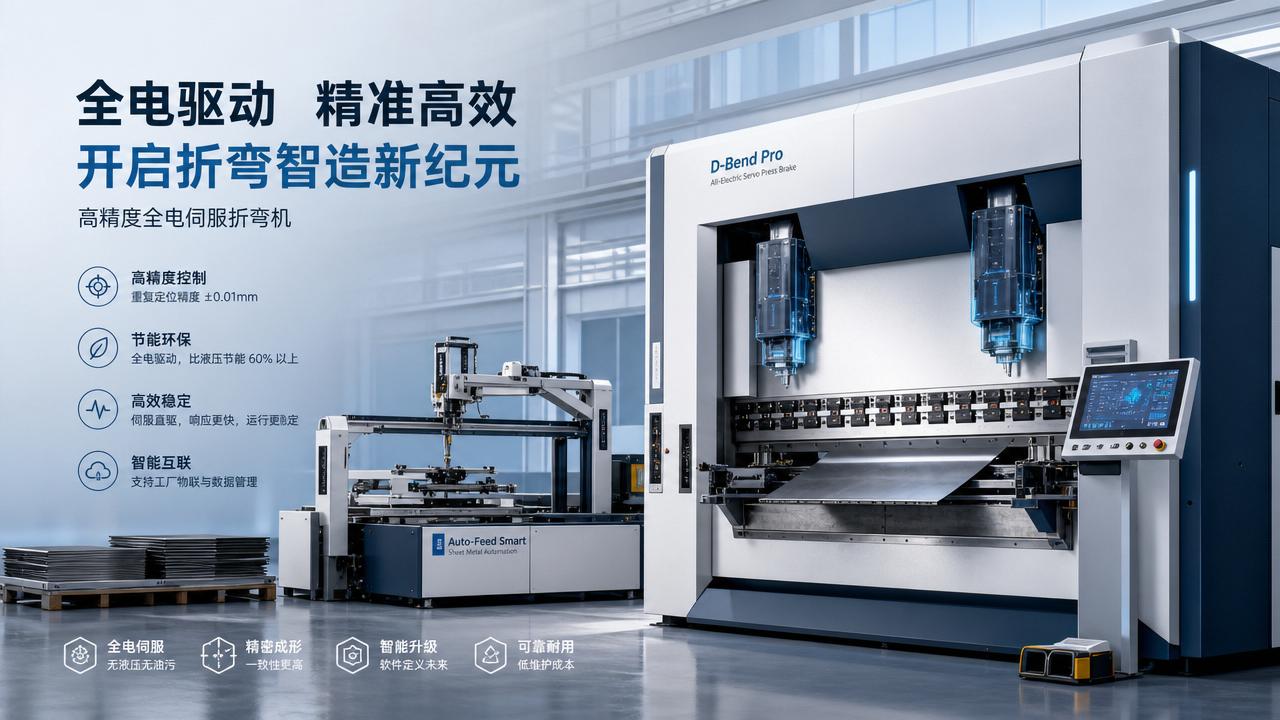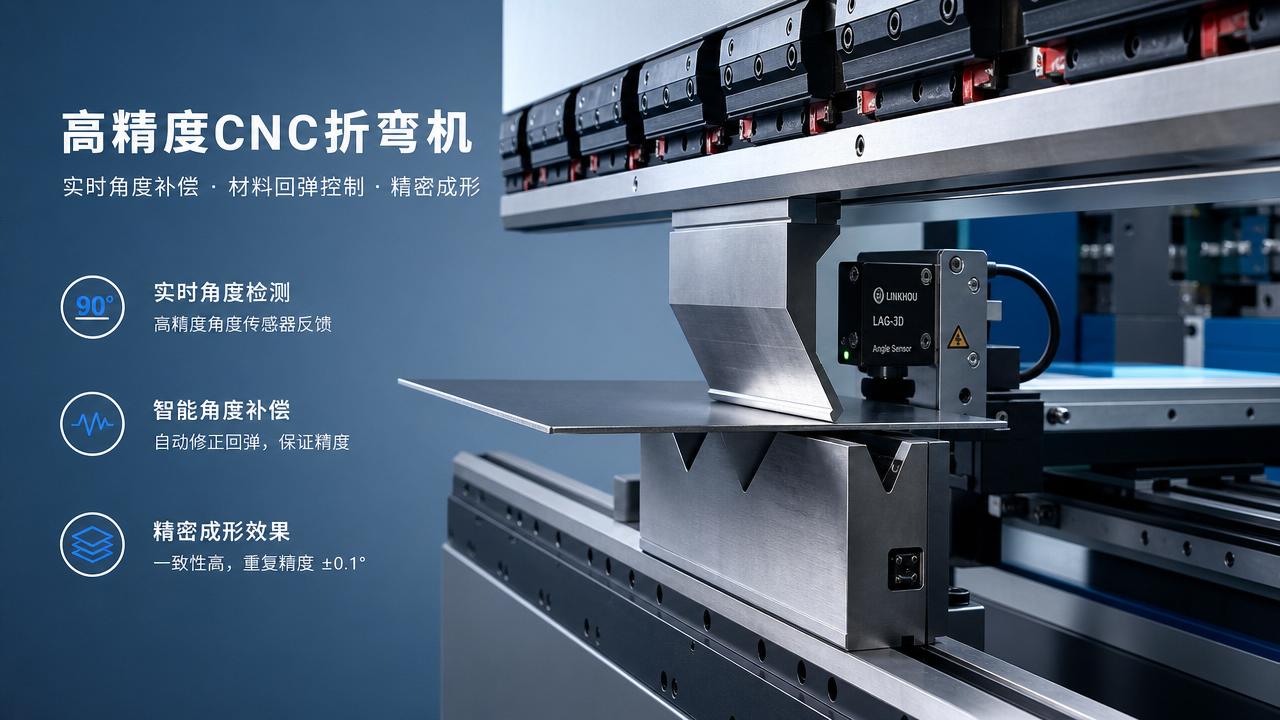
On July 4, 2026, Germany’s VDMA released an updated specification for robotic bending cells that places energy data connectivity at the center of EU-bound equipment compliance. The new requirement, which applies to new equipment sold into the European Union from January 2027, is especially relevant for robotic bending cell manufacturers, exporters, system integrators, and technical suppliers working on data collection and machine connectivity, because the issue is no longer limited to machine performance alone but also extends to how energy-use data is transmitted into the EU Ecodesign framework.
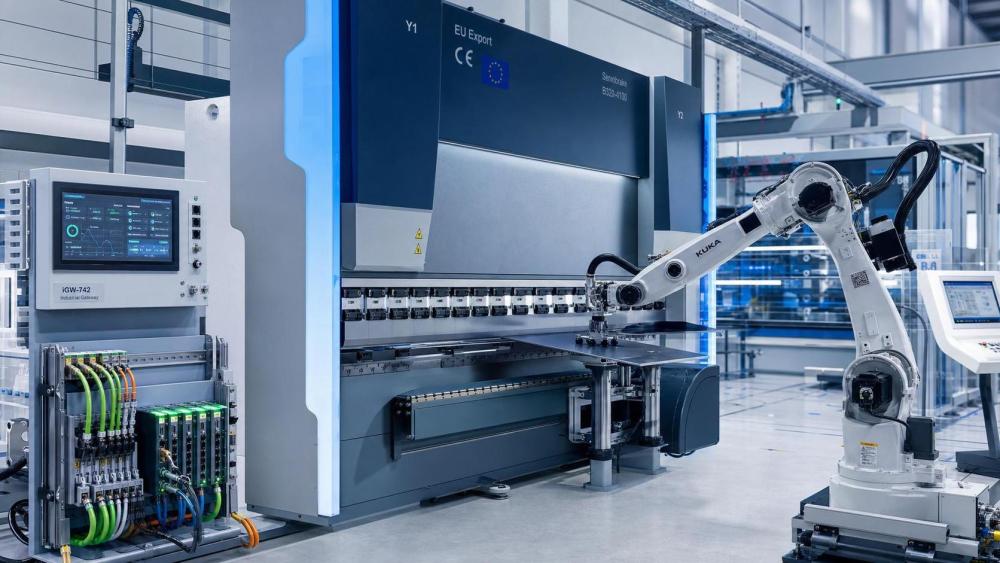
What the New VDMA Specification Confirms
According to the provided information, VDMA issued a new edition of its “Robotic Bending Cells Energy Efficiency and Digital Interface Specification” on July 4, 2026. The specification requires all new equipment sold to the EU from January 2027 onward to support the automatic upload interface for energy consumption data under EU Ecodesign Regulation (EU) 2026/982.
The required interface standard is specified as MQTT v5.0 with TLS 1.3. The provided summary also states that this requirement is expected to accelerate the development of edge-computing gateway modules by Chinese robotic bending cell manufacturers.
Where the Pressure Will Be Felt First
Export-oriented equipment makers face a near-term integration task
From an industry perspective, manufacturers shipping new robotic bending cells into the EU may be affected first because the requirement is tied directly to market access for new equipment. The main impact is likely to appear in product design, control architecture, and delivery readiness, as vendors will need to make sure the equipment can support the required automatic energy-data upload interface.
System integration and technical adaptation become part of delivery scope
For integrators and technical service providers, the change may affect commissioning, interface setup, and customer-side deployment work. What deserves closer attention is whether energy data capture and secure transmission capabilities are treated as a standard configuration for EU projects rather than as an optional add-on.
Component and module suppliers may see rising demand for gateway functions
Analysis shows that suppliers involved in communications, connectivity, and edge-side data handling may also feel the impact. The provided information specifically points to faster development of edge-computing gateway modules by Chinese robotic bending cell manufacturers, which suggests that the supporting hardware and software layer may become a more active part of the supply chain discussion.
What Companies Should Watch Now
Track whether the interface requirement is reflected consistently in product planning
Companies serving the EU market should pay close attention to how the VDMA specification is incorporated into model planning for equipment intended for sale from January 2027. In practical terms, the key issue is whether interface support is designed in early enough to avoid late-stage engineering changes.
Separate the policy signal from the implementation workload
Observably, the rule itself is clear on the need for automatic energy-data upload support, but the business workload sits in implementation details such as system connectivity, data transfer handling, and secure communication based on MQTT v5.0 and TLS 1.3. Firms should therefore distinguish between the regulatory signal and the actual engineering effort required to deliver compliant equipment.
Prepare supplier and customer communication around technical readiness
For sales, project, and delivery teams, a practical focus is communication: whether upstream technical suppliers can support the required interface path, and whether downstream EU customers will expect formal confirmation of that capability during quotation, procurement, or acceptance stages. This is less about broad compliance messaging and more about making sure technical commitments align with delivery documents and schedules.
Monitor follow-up clarification and execution language
What deserves closer attention is whether later official or industry wording further clarifies how this interface requirement will be interpreted in real projects. Companies should keep watching for any subsequent statements, implementation notes, or related compliance references that may affect engineering scope or customer expectations.
How This Signal Should Be Read
Analysis shows that this development is better understood as both a near-term product adaptation issue and a longer-term signal about how industrial equipment requirements are evolving in the EU market. The immediate point is clear: energy efficiency expectations are now being tied more directly to machine-level digital reporting capability. At the same time, it is still more appropriate to understand the broader market outcome as something that requires continued observation, rather than as a fully settled industry result.
Observably, the most concrete implication in the provided information is not a broad market conclusion but a directional change in technical priorities, especially for Chinese manufacturers of robotic bending cells that may need to accelerate edge gateway development tied to EU-bound deliveries.
Why This Update Matters Beyond the Headline
This update matters because it shifts part of competitive readiness from mechanical and automation performance toward data-interface readiness for EU sales. Based on the provided information, the clearest conclusion is that companies involved in robotic bending cells should treat the 2027 requirement as an operational preparation issue now, while keeping a measured view on broader market effects until more implementation detail is verified. It is more appropriate to understand this as a concrete compliance-related signal with immediate technical consequences, and as an industry development that still warrants follow-up observation.
About the Basis of This Article
This article is based on the user-provided news title, event date, and event summary concerning VDMA’s July 4, 2026 release of an updated energy-efficiency and digital-interface specification for robotic bending cells. For this type of industry update, relevant source categories typically include official announcements, industry association releases, corporate notices, authoritative media reporting, and standards-related documents.
No specific official source link was provided in the input, so the exact official publication link still needs to be verified on an ongoing basis. Follow-up attention should remain on any later official clarification, related implementation wording, and practical signals affecting EU-bound equipment delivery.
Product Recommendations
 Abrasive Delivery SystemsIndustrial Waterjet Cutters: Abrasive Costs That Erode MarginsAnalyst :5-Axis Machining Scientist
 All-Electric Press BrakesAll-Electric Servo Drives: Energy Savings vs Upgrade CostAnalyst :Precision Turning Architect
 All-Electric Press BrakesReal-Time Angle Compensation: What It Fixes and What It Doesn'tAnalyst :Precision Turning Architect
 Latest Sector NewsHigh-Strength Steel Machining: Tool Life Myths to AvoidAnalyst :Dr. Alistair Vaughn
 3D 5-Axis LaserComposite Material Cutting Without Delamination: Key MethodsAnalyst :
 Robotic Bending CellsAutomated Sheet Metal Forming: Hidden Setup Costs ComparedAnalyst :Precision Turning Architect