Industrial robotics integration often looks like a shortcut to smarter production, but for project leaders, it is usually where hidden automation bottlenecks first appear. From CNC machining cells to laser cutting and press brake workflows, success depends on aligning machine capability, control logic, material flow, and real-world production goals. Understanding these friction points early is the key to building scalable, high-precision manufacturing systems.
Why industrial robotics integration becomes the first bottleneck
For project managers, the problem is rarely the robot alone. The first bottleneck usually appears at the interface between robot motion, machine tool timing, part variation, fixture design, and production scheduling. A robotic cell may look technically complete on a layout drawing, yet fail in daily operation because upstream and downstream conditions were not engineered with the same rigor.
This is especially true in advanced manufacturing environments where 5-axis CNC machining centers, CNC lathes, laser cutting machines, CNC press brakes, and industrial waterjet cutters each impose different demands on loading accuracy, cycle synchronization, safety logic, and quality traceability. Industrial robotics integration is therefore not a simple add-on. It is a cross-disciplinary production architecture decision.
- Robot repeatability is often better than the variability of raw material, cut blanks, or incoming parts.
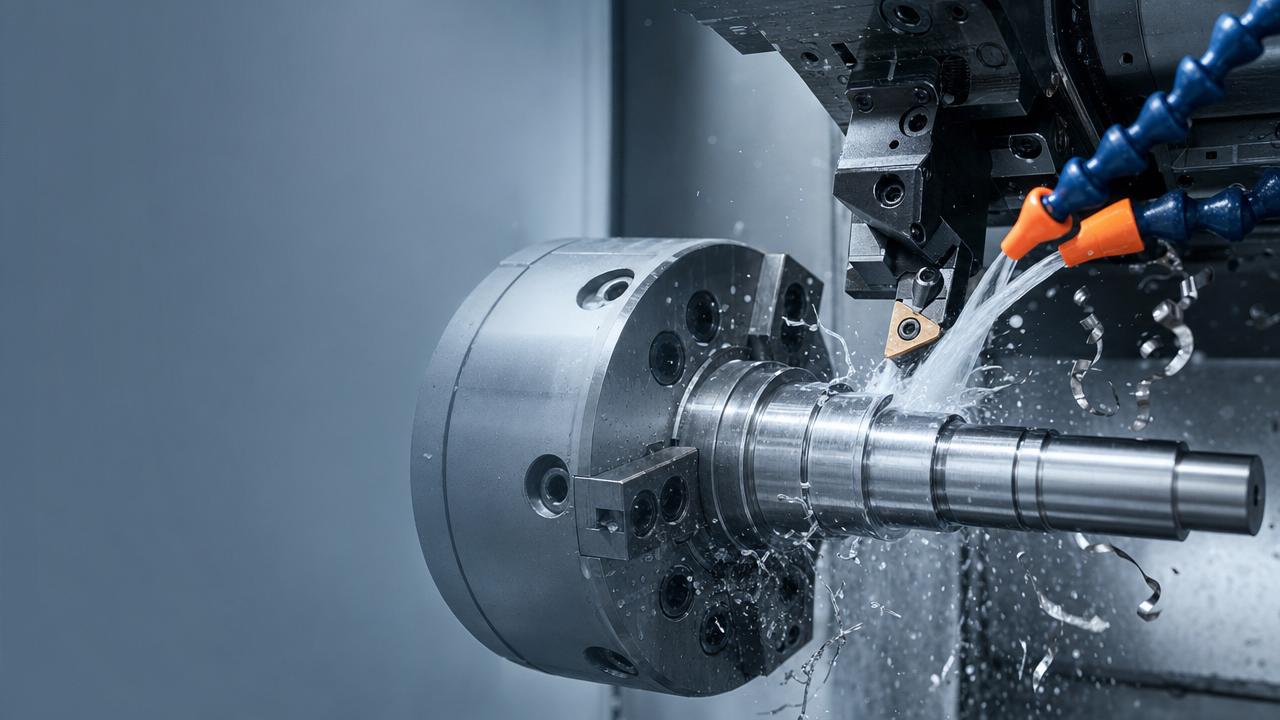
- Machine availability depends on spindle time, tool change logic, probing routines, and unload timing, not only robot speed.
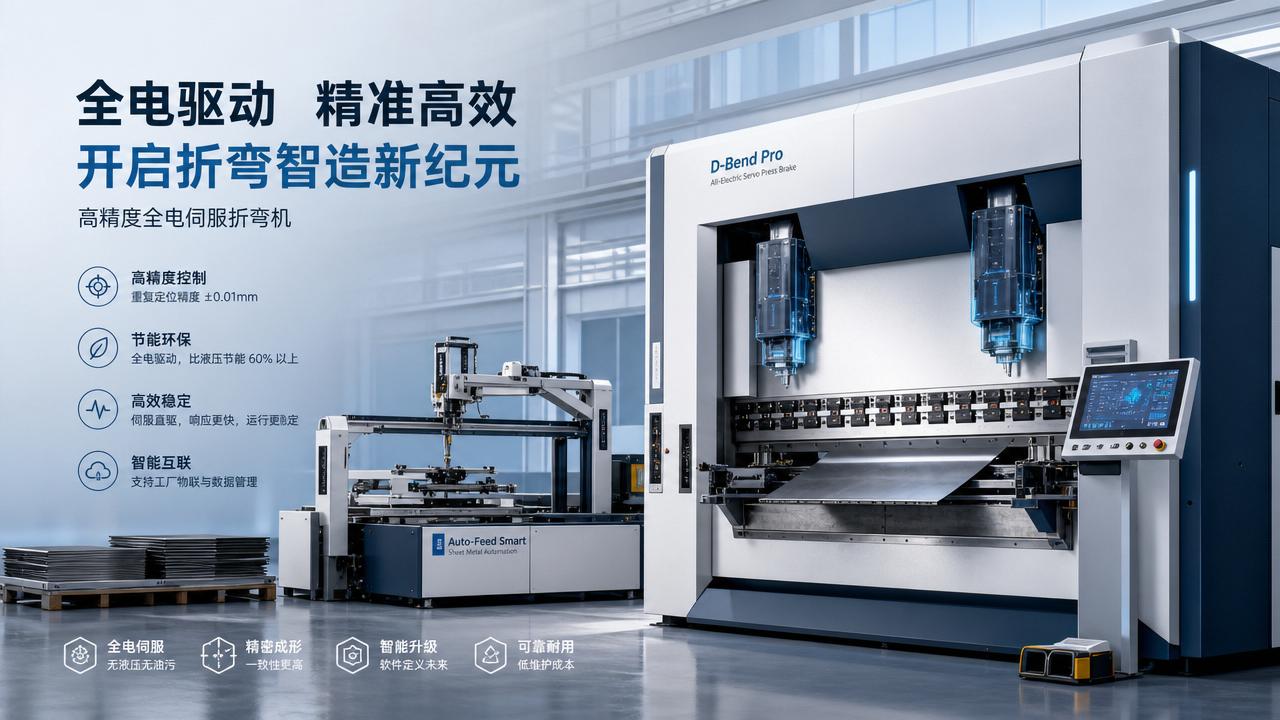
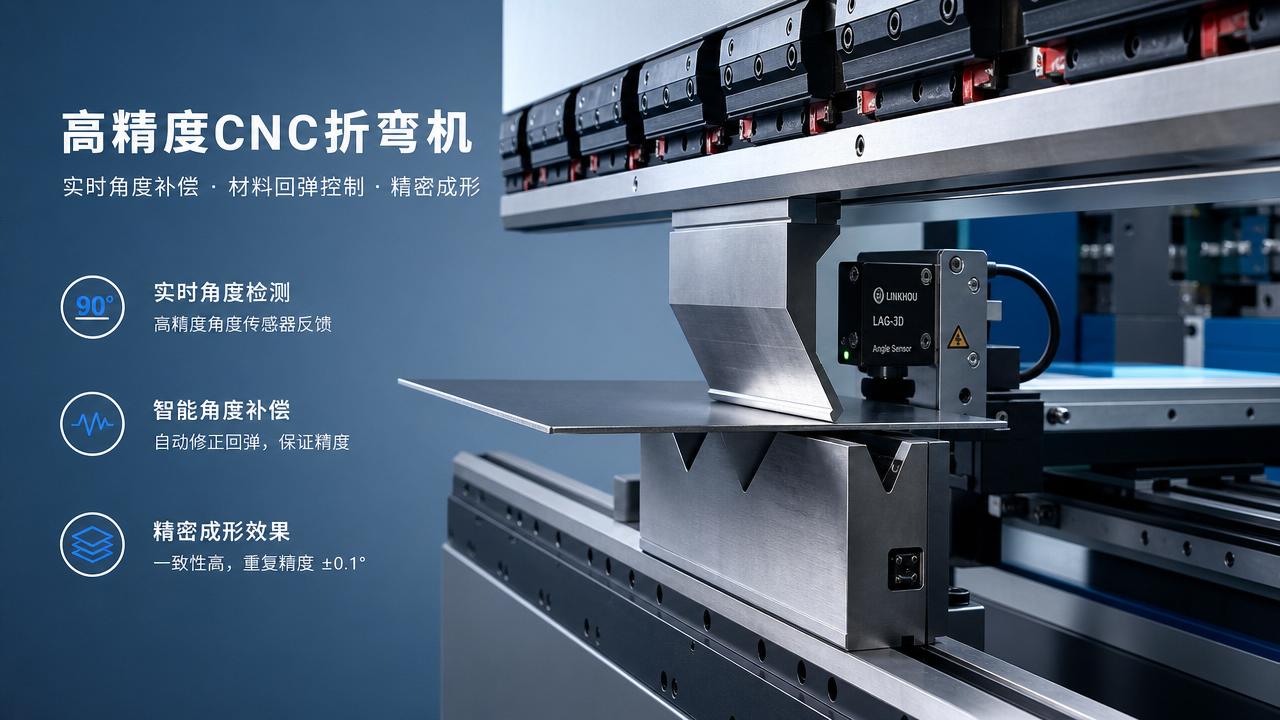
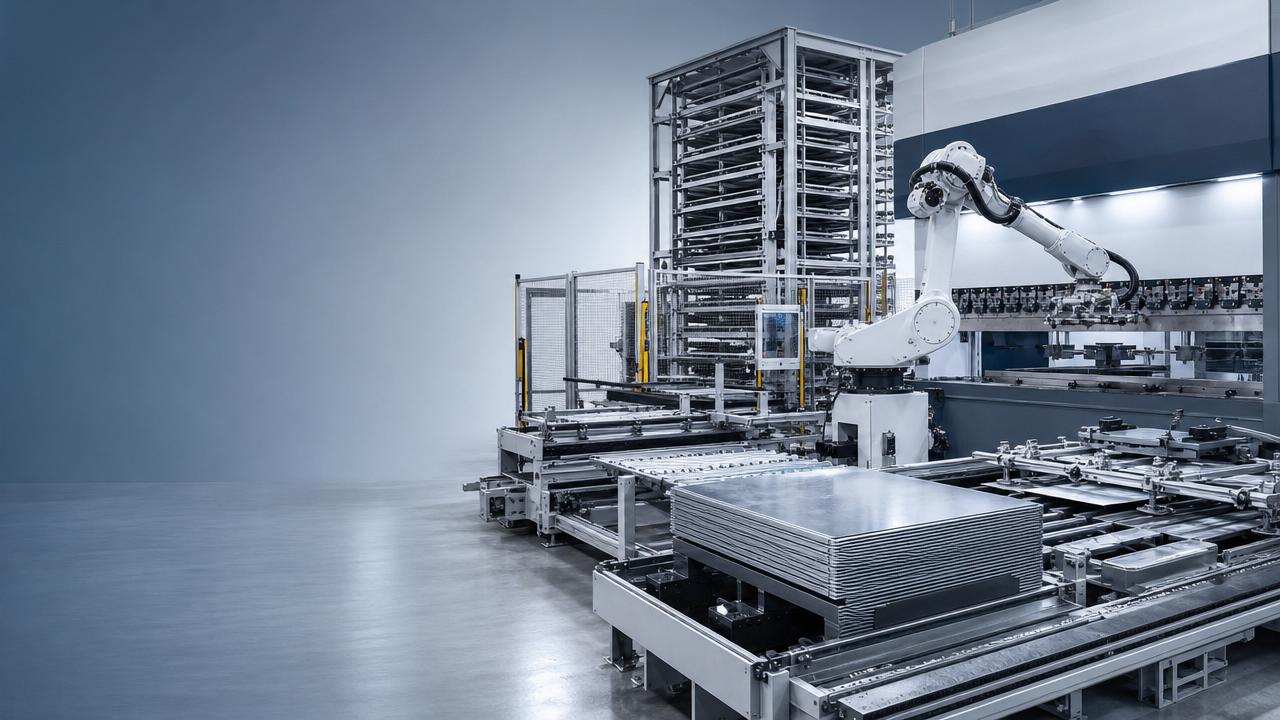
- Press brake and sheet handling cells require compensation for springback, orientation, and stack inconsistency.
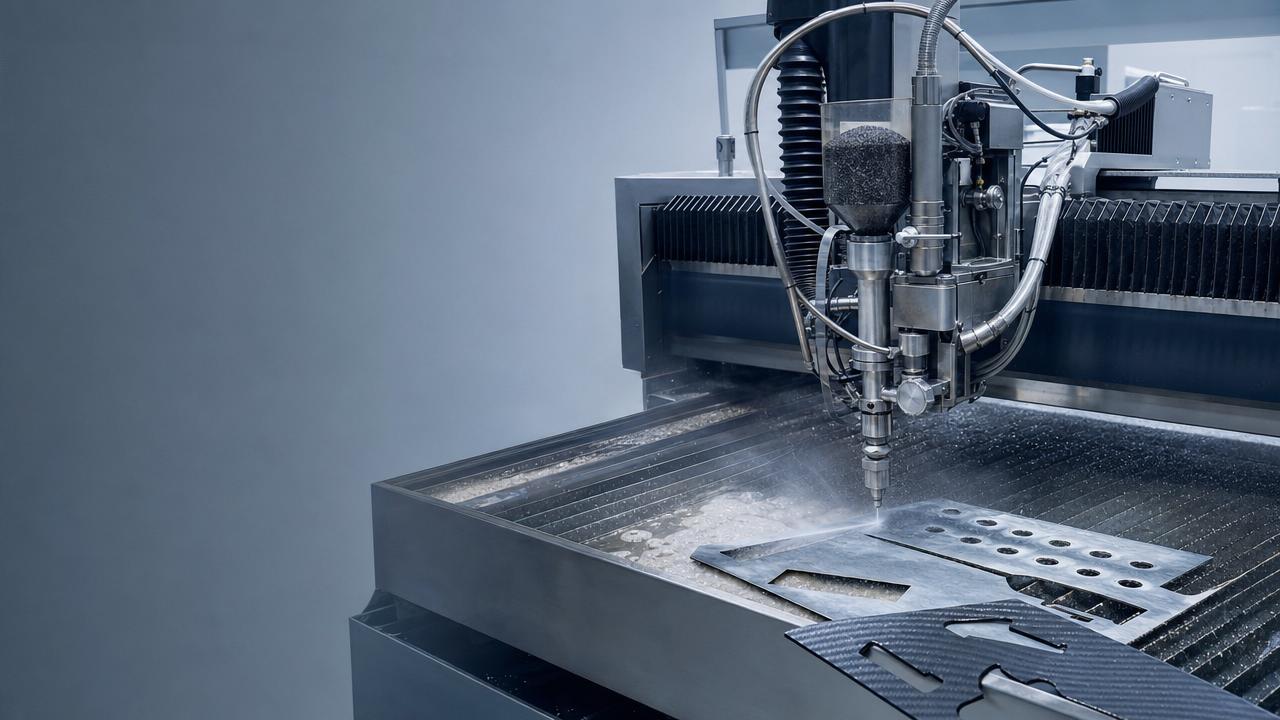
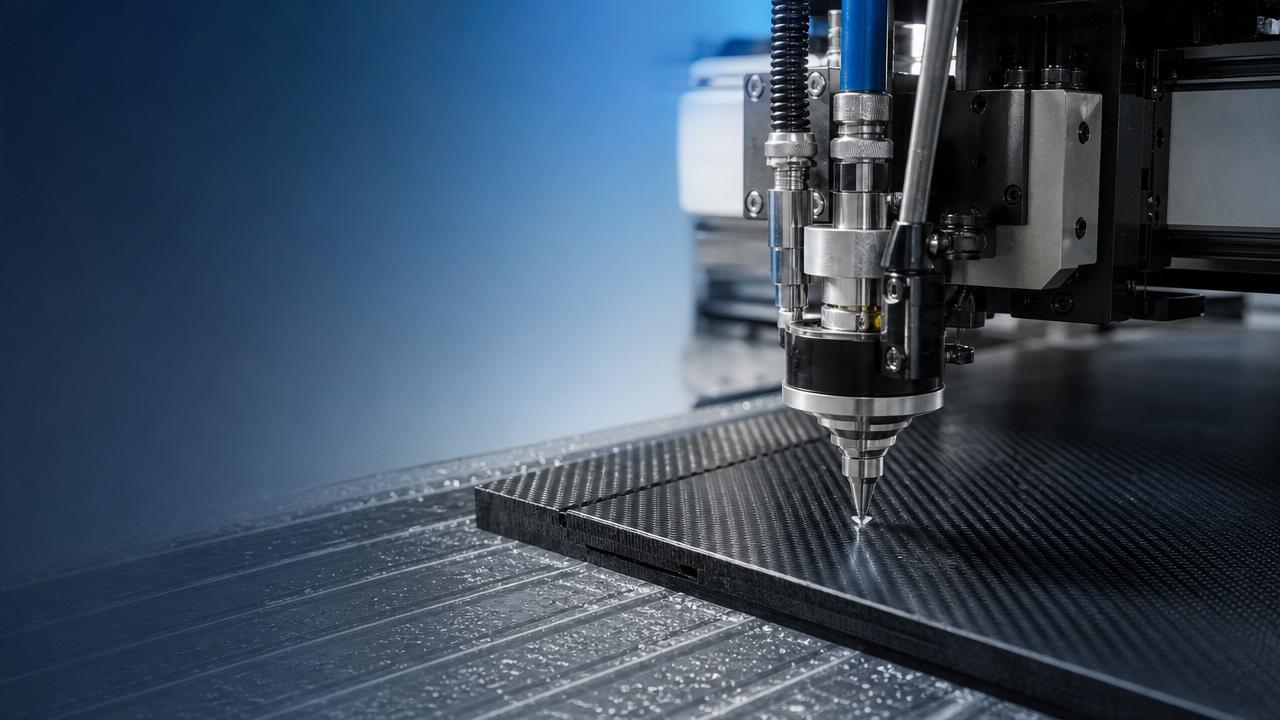
- Laser and waterjet processes can create edge, heat, or moisture conditions that affect gripping and transfer stability.
AMTS focuses on these hidden interactions because precision manufacturing is defined by micron-level tolerance control, process physics, and execution logic. In aerospace and NEV supply chains, where part complexity and throughput pressure coexist, a weak integration assumption quickly becomes an expensive bottleneck.
Where project leaders should look first in automation planning
Before approving an automation budget, project leaders should evaluate where the real production constraint sits. In many cases, industrial robotics integration is approved to solve labor shortages or increase utilization, but the actual bottleneck lies elsewhere: unstable fixtures, inconsistent blank quality, limited machine access, slow program verification, or poor data exchange between machines and MES or ERP systems.
A practical bottleneck screening checklist
- Confirm the dominant constraint: spindle hours, setup frequency, operator loading time, inspection delay, or material flow congestion.
- Measure part family variation, including size tolerance, weight distribution, surface condition, and orientation consistency.
- Review machine interface readiness, such as automatic door control, chuck or vise confirmation, probing cycles, and alarm communication.
- Check safety zoning and maintenance access, because service interruptions can erase the expected productivity gain.
- Map quality escape risks, especially when integrating robotic handling with high-value parts used in aerospace, medical, or EV platforms.
When this screening is skipped, teams often overestimate robot ROI and underestimate integration complexity. AMTS regularly tracks this pattern in unmanned cell discussions around robotic loading and unloading for press brakes, machining centers, and other precision platforms.
Which production scenarios create the most integration friction?
Not all automated cells fail for the same reason. The friction point depends on the process family. The table below summarizes where industrial robotics integration most commonly slows down during implementation across precision machining and metal processing environments.
The key lesson is that industrial robotics integration should always be judged by total process stability, not by robot payload, speed, or brand preference alone. In high-mix manufacturing, workflow logic matters more than headline specifications.
How to compare integration strategies before committing budget
Project leaders often face three broad automation paths: a standalone robot tending cell, a semi-flexible modular cell, or a deeply integrated unmanned production system. Choosing among them depends on part mix, tolerance sensitivity, production volume, and changeover frequency.
The following comparison table helps evaluate industrial robotics integration options from a procurement and implementation perspective rather than from a purely technical sales angle.
For aerospace and NEV supply chains, the modular route often provides the best balance during early expansion. It allows teams to validate loading logic, gauging steps, and material handling assumptions before scaling toward darker factory models.
Technical factors that decide whether automation actually scales
Machine capability and robot capability must match
A common mistake in industrial robotics integration is assuming that a fast robot can compensate for a machine with slow auxiliary functions. If the machine door opens slowly, the chuck clamp confirmation is delayed, or the probing cycle is too long, cell throughput will remain capped. In 5-axis environments, RTCP behavior, fixture access, and toolpath timing may have more impact than robot acceleration.
Material behavior shapes cell stability
High-strength steel, aluminum alloys, titanium, composites, and heat-sensitive laminates all behave differently during cutting and forming. Laser-cut edges may carry oxide or burr conditions. Waterjet-cut surfaces may retain moisture. Thin sheet blanks may flex during pickup. These factors influence end-of-arm tooling design, vision requirements, and scrap risk.
Control logic and data flow are not secondary details
Reliable industrial robotics integration requires alarm handling, handshake logic, part traceability, and production status visibility. A cell without clean communication rules between robot controller, CNC system, sensors, and factory software can appear operational during FAT yet become unstable during three-shift production.
- Define cycle interlocks clearly for load, clamp, verify, machine, unload, and reject actions.
- Plan for abnormal states such as double blanks, dropped parts, probe failure, and tool life interruption.
- Include traceability for part batch, machine state, and operator interventions when required by customer quality systems.
Procurement guide: what to ask before buying an integrated robotic cell
For project leaders under delivery pressure, the safest procurement strategy is to ask operational questions before price questions. Industrial robotics integration succeeds when the supplier can explain process assumptions in detail, not just provide an attractive concept layout.
Questions for internal review
- Which part families justify automation, and what percentage of total output do they represent?
- How often do fixtures, jaws, bend tools, or grippers need to change?
- What is the expected payback driver: labor reduction, spindle utilization, quality consistency, or capacity growth?
- What happens if the robot cell stops for one hour during peak production?
Questions for suppliers or integration partners
- How is part variation handled without constant manual adjustment?
- Which machine signals are required, and are interface limitations expected?
- What is the approach to commissioning, cycle validation, and operator training?
- How are spare parts, remote diagnostics, and service escalation managed?
AMTS helps decision-makers sharpen these questions by connecting machine physics, process trends, and supply chain realities. That matters when core components such as CNC systems, scales, drives, or optics have lead-time and compliance implications.
Cost, alternatives, and phased implementation logic
Not every factory needs full unmanned automation immediately. In some operations, a phased path reduces risk and improves the quality of investment decisions. Industrial robotics integration should be compared against semi-automation, fixture upgrades, pallet systems, improved nesting software, or better scheduling discipline.
When an alternative may be smarter than a robot-first investment
- If setup time dominates machine downtime, quick-change fixturing or palletization may outperform robotic tending.
- If part geometry changes weekly, a modular handling strategy may be safer than a fixed cell.
- If quality variation starts at incoming material, automation may simply move defects faster through the line.
- If floor space is constrained, localized machine upgrades may provide better short-term returns.
However, where production is repetitive, material flow is disciplined, and quality control is stable, industrial robotics integration can unlock longer unattended runs, more consistent machine loading, and better planning confidence. The strongest business case often comes from combining labor resilience with higher asset utilization.
Standards, compliance, and risk control in integrated cells
Automation decisions in precision manufacturing should include safety, electrical, machine guarding, and traceability considerations from the start. Exact requirements vary by region and customer industry, but project managers should not leave compliance review until the end of integration.
In practice, industrial robotics integration often intersects with general machine safety principles, electrical installation requirements, operator access rules, lockout procedures, and customer-specific quality documentation. Aerospace and automotive-related programs may also require stronger process documentation, validation records, and controlled change management.
- Verify guarding, access control, and emergency stop logic across the full cell, not machine by machine.
- Define who owns software revision control for robot programs, CNC macros, and HMI changes.
- Document acceptance criteria for cycle time, quality repeatability, and alarm recovery before SAT.
FAQ: common questions about industrial robotics integration
How do I know whether industrial robotics integration is suitable for my line?
Start with repeatability, part family volume, and downtime sources. If loading, unloading, or transfer tasks consume a meaningful share of machine availability, integration may be justified. If process variation, engineering change frequency, or unstable incoming material dominate losses, solve those issues first or choose a phased automation approach.
What should project managers prioritize during supplier evaluation?
Prioritize process understanding, interface clarity, commissioning method, and after-sales support logic. Ask how the proposed cell handles exceptions, not only normal cycles. A mature industrial robotics integration proposal should explain fixture assumptions, part orientation strategy, alarm recovery, and expected operator tasks after handover.
Can one robotic cell serve multiple machine types?
It can, but only if routing, fixturing, payload, and software coordination are engineered carefully. A shared cell can improve capital efficiency, yet it also adds scheduling complexity and may introduce new bottlenecks when machine cycles differ sharply. This is why mixed-process cells must be evaluated through total takt logic rather than equipment count alone.
What are the most common mistakes in industrial robotics integration projects?
The most common mistakes are treating the robot as the project center, ignoring part variation, underestimating software and signal integration, and failing to define abnormal-state recovery. Another frequent issue is approving a concept before validating material flow between cutting, forming, machining, and inspection stages.
Why AMTS is a practical intelligence partner for project leaders
AMTS is built for decision-makers who need more than fragmented equipment news. Its strength lies in connecting micron-level machining demands, CNC algorithm evolution, forming precision, laser processing behavior, and automation cell integration into one decision framework. For project leaders working across aerospace, NEV, and broader advanced manufacturing, that means clearer judgment before capital is committed.
Because AMTS follows 5-axis machining science, metal cutting physics, press brake automation, waterjet applications, and strategic supply chain shifts, it helps teams identify where industrial robotics integration will genuinely remove bottlenecks and where it may simply relocate them. This is particularly valuable when export controls, component lead times, and precision requirements affect project timing.
Contact us for integration evaluation and decision support
If you are planning industrial robotics integration for CNC machining, laser cutting, sheet metal forming, or mixed-process manufacturing, AMTS can support earlier and better decisions. You can consult us on parameter confirmation, machine-to-robot matching, part family suitability, fixture and gripper considerations, delivery cycle risks, and phased automation planning.
You can also reach out for guidance on supplier comparison, compliance checkpoints, customization scope, sample workflow evaluation, and quotation-stage technical questions. For project managers and engineering leaders, the goal is not simply to automate more. It is to automate the right bottleneck, at the right stage, with the right precision logic behind it.
Product Recommendations
 Abrasive Delivery SystemsIndustrial Waterjet Cutters: Abrasive Costs That Erode MarginsAnalyst :5-Axis Machining Scientist
 All-Electric Press BrakesAll-Electric Servo Drives: Energy Savings vs Upgrade CostAnalyst :Precision Turning Architect
 All-Electric Press BrakesReal-Time Angle Compensation: What It Fixes and What It Doesn'tAnalyst :Precision Turning Architect
 Latest Sector NewsHigh-Strength Steel Machining: Tool Life Myths to AvoidAnalyst :Dr. Alistair Vaughn
 3D 5-Axis LaserComposite Material Cutting Without Delamination: Key MethodsAnalyst :
 Robotic Bending CellsAutomated Sheet Metal Forming: Hidden Setup Costs ComparedAnalyst :Precision Turning Architect