On June 22, 2026, VDMA reported a sharp year-on-year increase in European automotive orders for robotic bending cells, with a clear shift toward interface and integration requirements rather than equipment capacity alone. For machinery suppliers, integrators, component vendors, and downstream suppliers, the development deserves attention because procurement expectations are increasingly tied to communication standards, technical documentation, delivery readiness, and cross-border supply execution.
What the VDMA report confirms
According to the quarterly report released by VDMA on June 22, 2026, the top ten European automakers increased procurement orders for robotic bending cells by 67% year on year in the first quarter. The reported demand is linked to mass production needs for lightweight structural body parts used in new energy vehicles.
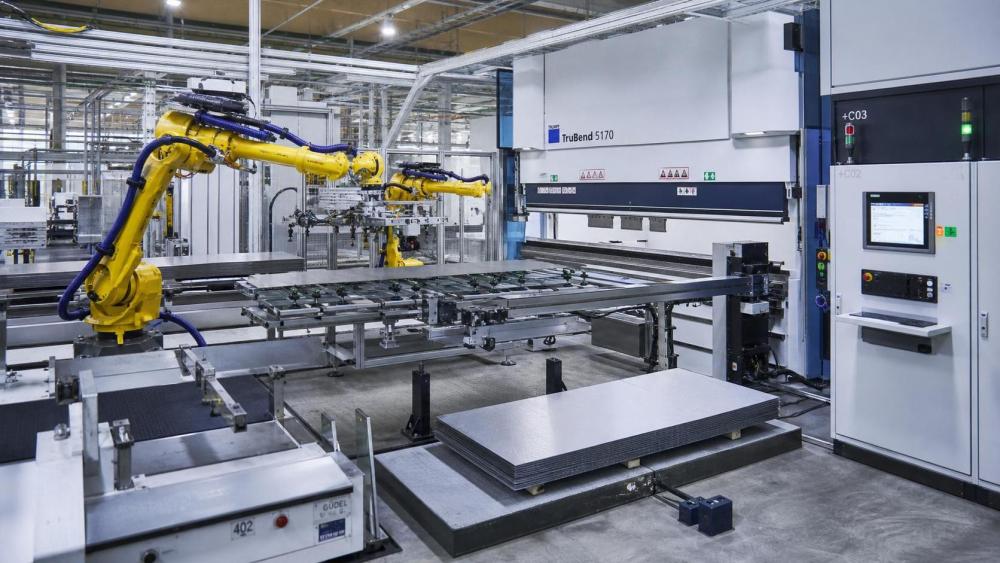
The robotic bending cells referenced in the report include automated loading and unloading, offline programming, and AI-based adaptive compensation systems. VDMA also stated that 72% of these orders required integration of EtherCAT bus architecture and OPC UA interfaces.
The report further noted that this demand pattern is accelerating its transmission to secondary supplier clusters in Eastern Europe, Turkey, and Mexico.
Why interface requirements now matter across the chain
Procurement teams are moving from equipment sourcing to specification control
From an industry perspective, purchasers are likely to be affected because the order pattern described by VDMA shows that interoperability requirements are entering procurement conditions more directly. The practical impact is likely to appear in technical bid alignment, supplier qualification review, and acceptance criteria, especially where EtherCAT and OPC UA compatibility must be reflected in tender files, interface lists, and project documentation.
Equipment builders and integrators face tighter delivery alignment
Analysis shows that machinery manufacturers and system integrators may face pressure not only on output and automation functions, but also on how complete their integration package is. Business impact may emerge in control architecture selection, software interface preparation, offline programming support, commissioning scope, and after-sales response. What deserves closer attention is whether delivery documents, interface descriptions, and compliance-related technical files are consistent with customer requirements at the quotation and handover stages.
Secondary suppliers may see standards-based requirements spread faster than volumes
Observably, the transmission of this trend into Eastern Europe, Turkey, and Mexico suggests that second-tier suppliers could encounter upstream requirements earlier in the sourcing cycle. The likely effect is not only more demand for robotic bending cells, but also more scrutiny over whether suppliers can align with the same interface expectations, project schedules, and technical submission standards required by larger automotive buyers.
Service and support providers may be drawn into compliance-sensitive execution
For service partners involved in commissioning, maintenance, retrofits, or technical support, the shift may affect troubleshooting workflows, data exchange practices, spare-parts planning, and traceability expectations. Where projects are exported or installed across borders, the need for consistent technical records and interface verification may become a more visible part of delivery execution.
What companies should track in ongoing tenders and deliveries
Check whether interface clauses are becoming a bid prerequisite
Analysis shows that companies should pay close attention to whether EtherCAT and OPC UA are being referenced as mandatory requirements, preferred specifications, or evaluation items in tender and procurement documents. This distinction matters because it can affect bid eligibility, engineering scope, and delivery responsibility.
Review technical files before quotation and handover
What deserves closer attention is the completeness of interface documentation, offline programming descriptions, and system configuration materials attached to quotations or delivery packages. Even where no separate certification requirement is stated in the provided information, technical documentation quality may become a practical compliance checkpoint in procurement and acceptance.
Prepare for longer coordination across supplier tiers
Observably, as demand signals spread to Eastern Europe, Turkey, and Mexico, coordination across machine builders, software providers, automation partners, and local suppliers may become more complex. Companies should therefore monitor lead-time commitments, subcontractor readiness, and the consistency of technical submissions across multiple supply tiers.
Keep watching how customer requirements are formalized
The provided information does not confirm a new regulation or a published mandatory rule. For that reason, companies should not treat the current development as a fully standardized compliance regime, but should closely monitor how customer specifications, tender language, acceptance standards, and project execution requirements evolve in practice.
How this signal should be interpreted for now
Analysis shows that this development is best understood as an execution signal from the market rather than as proof of a newly issued formal regulation. The key point is that technical interface expectations appear to be consolidating inside procurement behavior. For industry participants, this matters because customer-side purchasing practice can shape de facto requirements even before broader standardization or regulatory clarification becomes visible.
Observably, the strongest near-term implication is not a confirmed legal change, but a shift in how buyers define readiness, compatibility, and delivery fitness. That is why ongoing observation of bid documents, technical specifications, and supplier feedback remains more useful than broad conclusions about market-wide rule changes.
What this means for the market at this stage
At this stage, the VDMA update is more appropriately understood as a concrete market signal that interface integration requirements are becoming harder to ignore in automotive robotic bending projects. It does not by itself establish a new statutory framework, but it does indicate that procurement, integration, and delivery practices may be tightening around specific communication and interoperability expectations.
A rational reading is that companies exposed to automotive automation projects should pay closer attention to specification alignment, supporting documentation, and supplier readiness, while continuing to watch whether these requirements become more explicitly embedded in future tenders and execution standards.
Basis of this article and points requiring follow-up
This article is generated based on the user-provided news title, event date, and event summary. For events of this type, relevant source categories commonly include industry association releases, official notices, regulatory publications, trade authority updates, standards organization documents, tender materials, and reporting by authoritative sector media.
No specific official source link was provided in the input, so the original source document and any subsequent official clarifications still require continued verification. What remains worth tracking includes later wording from industry bodies, changes in tender documents, evolving certification or interface expectations, market feedback from suppliers, and how companies implement these requirements in actual delivery and procurement processes.
Product Recommendations
 Abrasive Delivery SystemsIndustrial Waterjet Cutters: Abrasive Costs That Erode MarginsAnalyst :5-Axis Machining Scientist
 All-Electric Press BrakesAll-Electric Servo Drives: Energy Savings vs Upgrade CostAnalyst :Precision Turning Architect
 All-Electric Press BrakesReal-Time Angle Compensation: What It Fixes and What It Doesn'tAnalyst :Precision Turning Architect
 Latest Sector NewsHigh-Strength Steel Machining: Tool Life Myths to AvoidAnalyst :Dr. Alistair Vaughn
 3D 5-Axis LaserComposite Material Cutting Without Delamination: Key MethodsAnalyst :
 Robotic Bending CellsAutomated Sheet Metal Forming: Hidden Setup Costs ComparedAnalyst :Precision Turning Architect