For procurement teams, precision CNC machining directly shapes both unit cost and achievable tolerance. Tighter tolerances often require advanced equipment, longer cycle times, stricter inspection, and higher material control, all of which influence supplier pricing and project risk. Understanding this balance helps buyers compare vendors more accurately, reduce hidden manufacturing costs, and secure reliable part quality for aerospace, EV, and other high-performance applications.
Why does precision CNC machining increase cost so quickly?
Many buyers see only the drawing tolerance and quoted price, but precision CNC machining is a chain of cost drivers rather than a single process upgrade. Once tolerance moves from general machining into tight-control territory, every production step becomes more demanding.
A part held to ±0.05 mm can often run on standard CNC equipment with routine inspection. A part held to ±0.005 mm may require thermal compensation, higher spindle stability, premium tooling, skilled programming, staged roughing and finishing, and more measurement checkpoints.
For procurement personnel, the key issue is not whether a supplier can machine a part once. The real question is whether that supplier can maintain the required tolerance repeatedly, at target volume, with acceptable scrap rate, lead time, and traceability.
Main cost drivers behind tighter tolerances
- Machine capability: high-precision 5-axis machining centers, rigid CNC lathes, and stable motion systems cost more to operate and maintain.
- Cycle time: slower feed rates, extra finishing passes, in-process probing, and tool wear management extend machine hours.
- Inspection burden: CMM checks, surface profile verification, runout inspection, and first article reporting add direct labor and equipment time.
- Material behavior: titanium, Inconel, hardened steel, and thin-wall aluminum respond differently to heat, stress, and deflection.
- Yield risk: the tighter the tolerance, the narrower the process window and the higher the chance of rework or scrap.
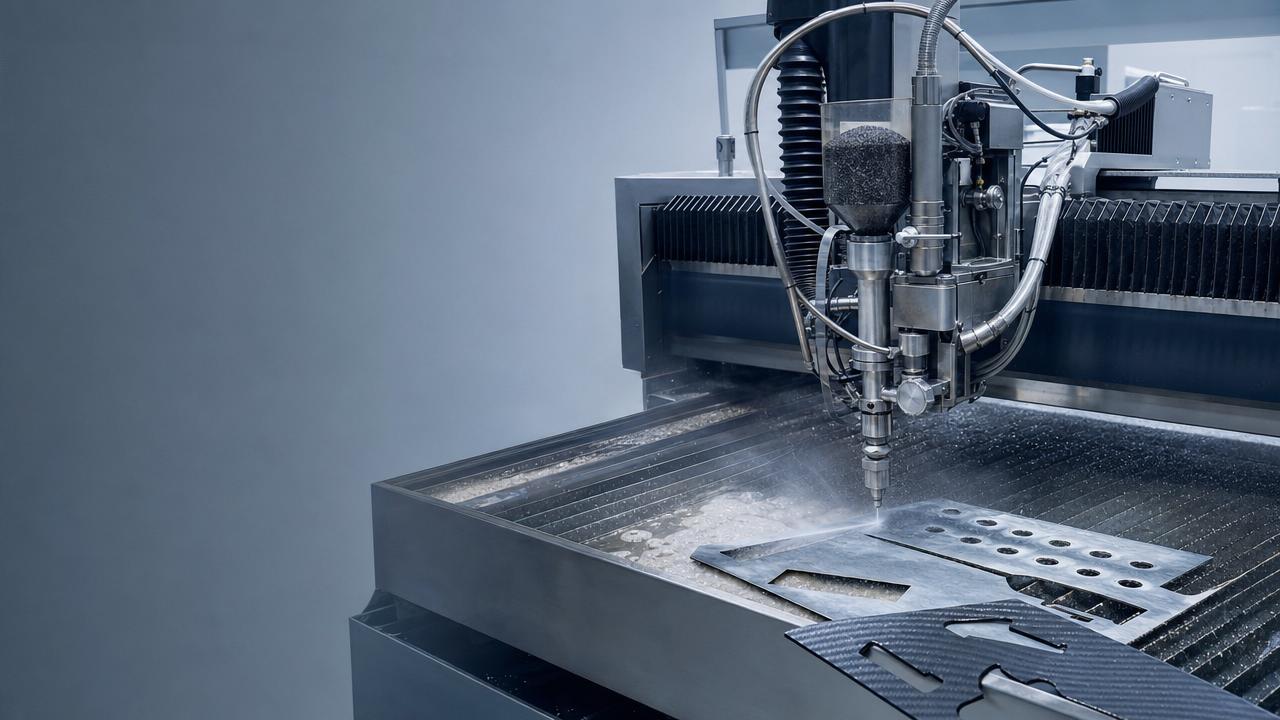
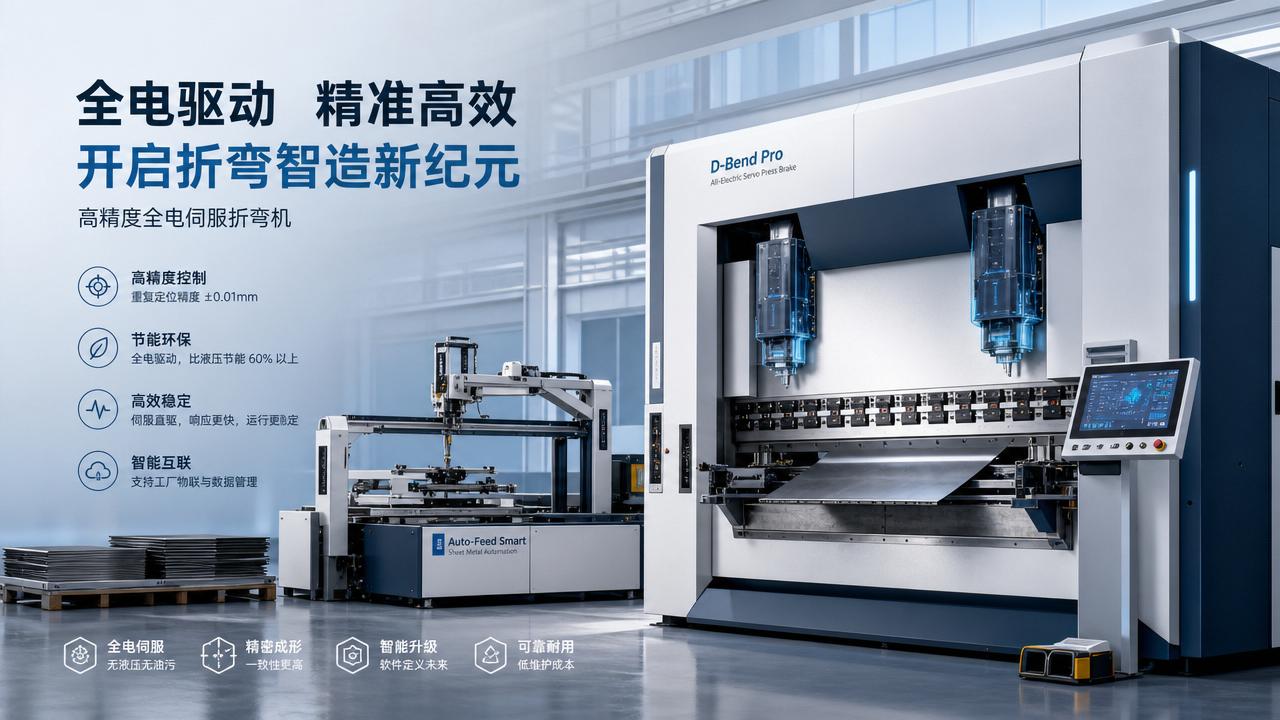
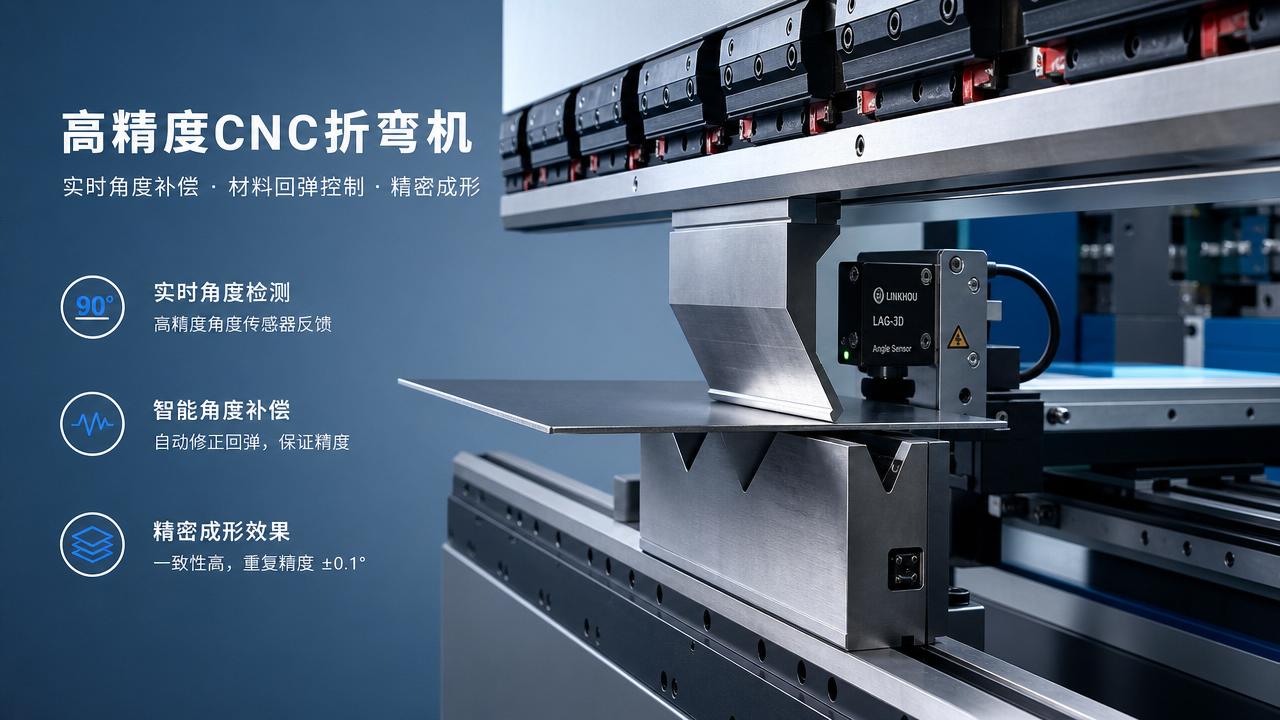
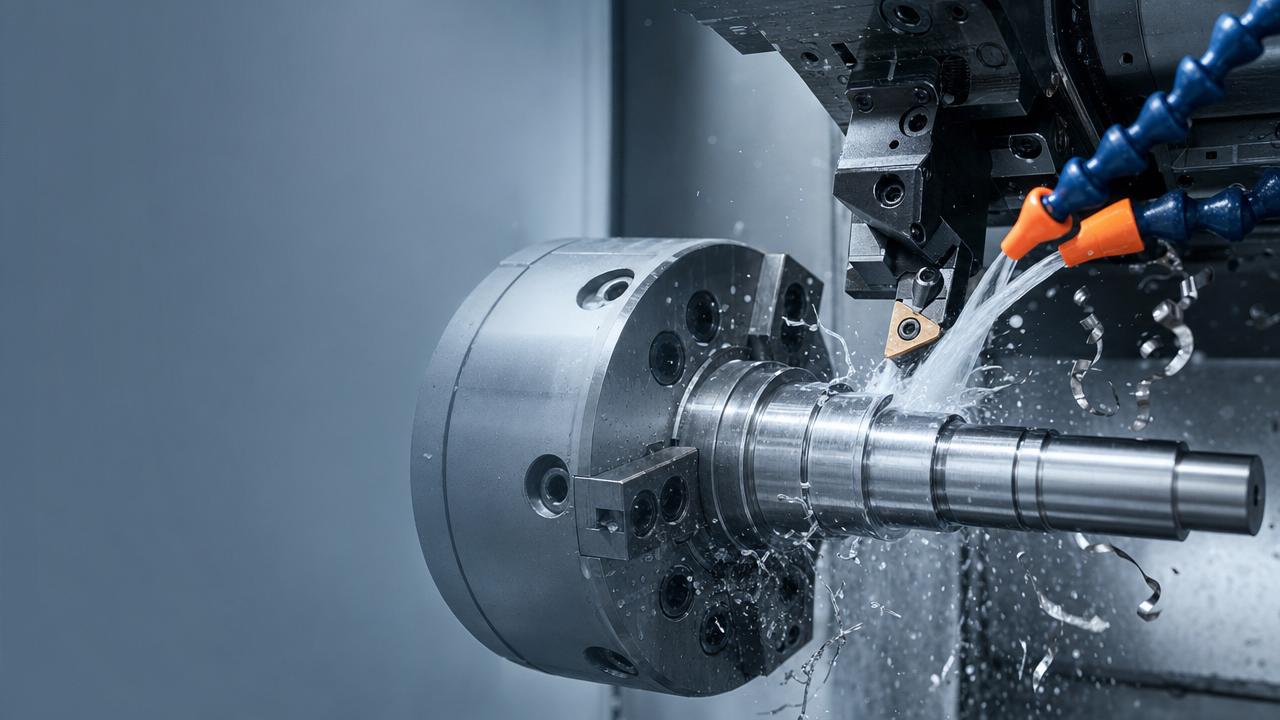
AMTS tracks these relationships across 5-axis machining, turning, laser cutting, press brake forming, and waterjet processing. That broad manufacturing view is valuable for buyers because tolerance problems often start upstream in process selection, not only at the machining stage.
How tolerance level changes pricing in practical sourcing decisions
The table below helps procurement teams estimate how precision CNC machining requirements typically affect price structure, inspection intensity, and sourcing risk. The ranges are directional and should be validated against geometry, material, and batch size.
This is why a small tolerance change on paper can trigger a large quote difference. In many RFQs, buyers unintentionally over-specify features that do not affect final function, then pay for precision CNC machining that the application never truly needs.
Where hidden cost usually appears
Hidden cost often comes from non-obvious requirements such as geometric dimensioning, surface finish, concentricity, flatness, or positional accuracy. These features may force special workholding, extra measurement time, or secondary operations even when linear dimensions look simple.
Another frequent issue is drawing stack-up. If multiple tight tolerances interact across assembled components, each supplier may machine to print, yet the full assembly still fails. Procurement needs supplier feedback before order release, not after incoming inspection.
Which technical factors matter most when buying precision CNC machining?
Precision CNC machining performance depends on more than machine brand or spindle speed. Buyers should evaluate process stability, thermal behavior, material expertise, and inspection discipline because these factors directly influence delivered tolerance and total landed cost.
Core technical checkpoints
- Machine architecture and rigidity: especially important for thin walls, long features, and hard-to-cut alloys.
- Toolpath strategy: 5-axis continuous machining, RTCP use, cutter engagement control, and rest machining can reduce tolerance drift.
- Thermal management: shop temperature variation, spindle warm-up, coolant control, and fixture expansion all affect micron-level accuracy.
- Measurement system: calipers are not enough for complex precision parts; probing, CMM, and surface testing may be necessary.
- Material lot control: metallurgy and stress condition influence warpage after machining, particularly in aerospace and EV parts.
AMTS provides procurement-relevant intelligence by linking machine design, process behavior, and end-use performance. That matters when comparing suppliers serving aerospace blades, EV lightweight aluminum components, battery tray features, medical cylindrical parts, or heat-sensitive composites.
Why process selection can be more important than the machine itself
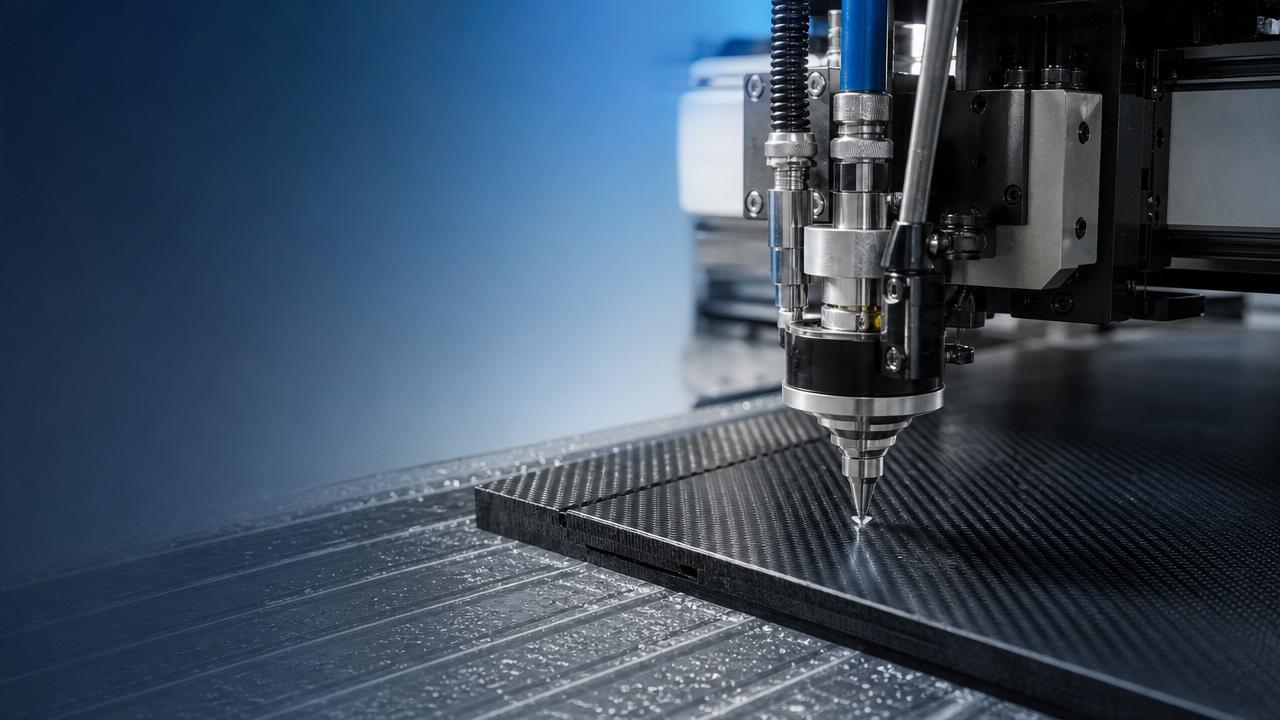
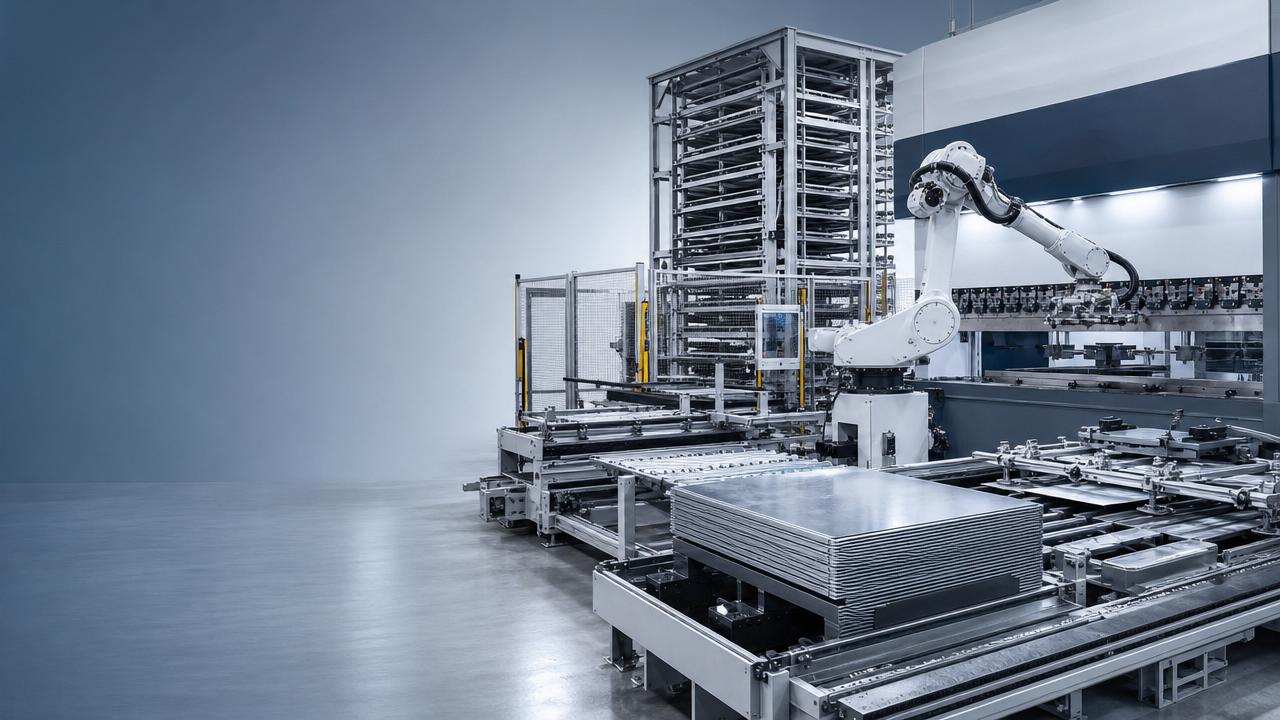
A buyer focused only on milling may miss a lower-risk route. Some parts are better produced through combined operations: turning for concentricity, 5-axis machining for complex surfaces, laser cutting for preforms, press brake forming for near-net geometry, or waterjet cutting to avoid HAZ in composites.
This broader manufacturing logic is one of the strongest ways to control cost without sacrificing tolerance. AMTS follows all five precision pillars, making it easier to judge whether a quoted CNC route is truly appropriate or simply familiar to a given vendor.
How should procurement compare suppliers beyond the unit quote?
When sourcing precision CNC machining, the cheapest quote may hide the highest operational risk. Procurement teams need a structured comparison model that includes capability proof, process planning, quality assurance, and delivery resilience.
Use the following supplier assessment table to turn technical uncertainty into a clearer sourcing decision.
A useful sourcing rule is simple: compare quote logic, not quote totals. If one supplier includes CMM reporting, controlled environment machining, and fixture validation while another does not, the two prices are not truly comparable.
A practical procurement checklist
- Mark critical-to-function dimensions separately from general tolerances.
- Ask suppliers to identify the costliest features on the drawing.
- Request recommended tolerance relaxation where function allows it.
- Confirm inspection format, sampling logic, and acceptance criteria before PO release.
- Evaluate total cost, including scrap risk, delay risk, and qualification effort.
What changes in aerospace, EV, and other high-demand applications?
Not all precision CNC machining projects carry the same sourcing logic. Application context determines whether the main challenge is geometry, material, throughput, compliance, or thermal distortion. Procurement decisions should reflect the use case, not only the tolerance figure.
Application-specific purchasing concerns
The lesson for buyers is clear: the most cost-effective precision CNC machining strategy often depends on the full production chain. AMTS monitors exactly these cross-process interactions, including how advanced cutting, forming, and automation trends support better sourcing choices.
Common mistakes buyers make when specifying precision CNC machining
Mistake 1: Applying tight tolerance to every dimension
Blanket tight tolerances inflate cost fast. Only functional interfaces, sealing surfaces, alignment features, and assembly-critical dimensions usually need premium control. Everything else should remain as open as performance allows.
Mistake 2: Ignoring process-specific distortion
Thin aluminum plates, long shafts, and titanium pockets may move after roughing or heat input. If drawings ignore process reality, suppliers either add expensive controls or ship inconsistent parts. Early manufacturability review is cheaper than late correction.
Mistake 3: Comparing suppliers without equal quality scope
One quote may include process validation, detailed reports, and stable fixturing. Another may include only machining time. Procurement should standardize RFQ assumptions so that precision CNC machining suppliers are compared on the same basis.
Mistake 4: Forgetting downstream assembly cost
A lower part price can still be expensive if poor tolerance causes line stoppage, excessive fitting, sealing failure, or shortened product life. In many industries, assembly disruption costs more than the machining premium that could have prevented it.
FAQ: what procurement teams ask most about precision CNC machining
How do we know whether a tight tolerance is truly necessary?
Start from function, not habit. Review mating interfaces, load paths, sealing requirements, rotation, vibration, and thermal expansion. Ask engineering and the supplier which dimensions are critical-to-quality and which can be relaxed without harming performance.
What documents should we request when buying precision CNC machining parts?
Typical requests include dimensional reports, material certificates when needed, first article inspection records for new parts, and clarity on inspection tools used. For regulated or high-risk parts, traceability and change control expectations should be agreed in advance.
Is 5-axis machining always the best choice for high precision?
No. 5-axis machining is highly effective for complex surfaces and single-setup accuracy, but simpler parts may be more economical on a rigid 3-axis platform or CNC lathe. The best route depends on geometry, datum strategy, batch volume, and finishing needs.
How can we reduce cost without sacrificing part quality?
Focus on critical tolerances only, improve drawing clarity, choose material forms that reduce stock removal, and confirm whether near-net methods or hybrid processes are feasible. Small design adjustments can cut cycle time and inspection burden significantly.
What lead time issues are common in precision CNC machining sourcing?
Longer lead times often come from fixture preparation, tool procurement, first article approvals, or metrology bottlenecks rather than actual cutting time. Buyers should ask suppliers to separate prototype timing, pilot timing, and mass-production timing in the quotation stage.
Why choose us for manufacturing intelligence and sourcing decisions?
AMTS helps procurement teams understand precision CNC machining in the context that really matters: machine capability, tolerance economics, process alternatives, and global advanced manufacturing trends. Our coverage spans 5-axis machining centers, CNC lathes, laser cutting systems, press brakes, and industrial waterjet cutters.
That means you can assess not only whether a tolerance is possible, but whether it is commercially sensible, operationally stable, and aligned with aerospace, NEV, and other performance-driven manufacturing requirements. Our intelligence approach links micron-level accuracy, CNC algorithms, process physics, and supplier decision-making.
What you can contact us about
- Parameter confirmation for tolerance, surface finish, material condition, and geometry complexity.
- Process selection guidance between 5-axis machining, turning, laser cutting, forming, and waterjet cutting.
- Quotation comparison support to identify hidden cost, quality scope gaps, and delivery risk.
- Lead time evaluation for prototype, pilot, and scaled production projects.
- Discussion of certification expectations, inspection planning, and sample support requirements.
- Customized sourcing insight for aerospace, EV lightweighting, and other advanced manufacturing applications.
If your team is balancing cost pressure against demanding tolerances, contact us with your drawing logic, target volume, delivery schedule, and quality expectations. We can help you frame better RFQs, compare vendors more effectively, and make precision CNC machining decisions with fewer surprises.
Product Recommendations
 Abrasive Delivery SystemsIndustrial Waterjet Cutters: Abrasive Costs That Erode MarginsAnalyst :5-Axis Machining Scientist
 All-Electric Press BrakesAll-Electric Servo Drives: Energy Savings vs Upgrade CostAnalyst :Precision Turning Architect
 All-Electric Press BrakesReal-Time Angle Compensation: What It Fixes and What It Doesn'tAnalyst :Precision Turning Architect
 Latest Sector NewsHigh-Strength Steel Machining: Tool Life Myths to AvoidAnalyst :Dr. Alistair Vaughn
 3D 5-Axis LaserComposite Material Cutting Without Delamination: Key MethodsAnalyst :
 Robotic Bending CellsAutomated Sheet Metal Forming: Hidden Setup Costs ComparedAnalyst :Precision Turning Architect