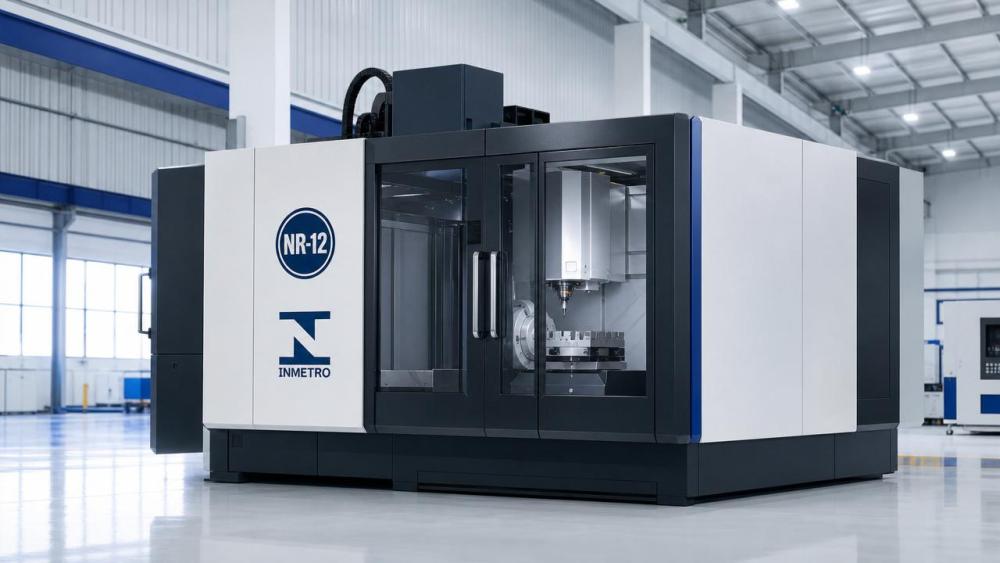
Starting 1 May 2026, Brazil will enforce an updated version of its NR-12 machinery safety regulation, mandating that importers of industrial equipment—including press brakes, laser cutting machines, and five-axis machining centers—purchase product liability insurance with a minimum coverage of BRL 1 million. Compliance also requires a technical responsibility certificate (ART) signed by a CREAE-registered engineer. Non-compliant shipments will be denied clearance by the joint ANVISA/INMETRO customs process. This development directly affects manufacturers, exporters, and importers serving the Brazilian industrial machinery market—and signals a tightening of regulatory enforcement in Latin America’s largest economy.
Event Overview
Brazil’s upgraded NR-12 regulation enters into force on 1 May 2026. Under the rule, importers of specified industrial machinery must secure product liability insurance covering at least BRL 1 million and obtain an ART (Anotação de Responsabilidade Técnica) signed by an engineer registered with Brazil’s Regional Council of Engineering and Agronomy (CREA). These requirements are prerequisites for customs clearance administered jointly by ANVISA and INMETRO. No further implementation details or transitional provisions have been publicly confirmed beyond this effective date and scope.
Industries Affected
Direct Trading Enterprises (Exporters & Importers)
Exporters supplying industrial machinery to Brazil—and importers bringing such equipment into the country—face immediate operational impact. The requirement applies at the point of import, meaning contractual and financial responsibilities shift toward the importer of record. Failure to procure compliant insurance or ART documentation halts customs release, creating delays, storage costs, and potential contract penalties.
Machinery Manufacturers (OEMs & Tier-1 Suppliers)
OEMs producing press brakes, laser cutters, and multi-axis CNC systems may face increased pre-sale coordination demands. While the regulation formally binds importers, many Brazilian importers will require OEM support to validate machine compliance and facilitate ART preparation—especially where local engineering sign-off depends on original equipment documentation or safety validation reports.
Supply Chain Service Providers (Customs Brokers, Insurance Brokers, Technical Consultants)
Service providers supporting machinery imports into Brazil must now verify insurance policy terms (e.g., jurisdictional applicability, exclusions, BRL-denominated limits) and confirm ART validity through CREA’s public registry. Their role expands from documentation handling to compliance gatekeeping—particularly as ANVISA/INMETRO enforcement appears to integrate these checks into automated clearance workflows.
What Stakeholders Should Monitor and Do Now
Track official guidance from CREA, INMETRO, and the Ministry of Labour
While the core requirements are published, implementation protocols—including acceptable insurance policy formats, ART submission methods, and verification timelines—remain subject to clarification. Stakeholders should monitor updates via official portals rather than relying solely on third-party summaries.
Identify high-risk equipment categories in current or planned shipments
The regulation explicitly names press brakes, laser cutting machines, and five-axis machining centers. Companies shipping related variants (e.g., fiber laser systems, tube bending machines, or hybrid additive-subtractive platforms) should assess whether their classifications fall under NR-12’s scope—particularly if they incorporate automated motion, guarding, or human-machine interaction features covered by the standard.
Distinguish between regulatory signal and operational reality
Although the rule takes effect 1 May 2026, early enforcement patterns suggest phased scrutiny—starting with high-value or high-risk consignments. However, analysis shows no formal grace period is defined. Companies should treat the date as binding for all new import declarations, not merely as a ‘soft launch’.
Prepare documentation and insurance procurement workflows ahead of Q1 2026
Securing BRL 1 million liability insurance with Brazilian regulatory acceptance may require lead time, especially for foreign insurers unfamiliar with local underwriting norms. Similarly, engaging a CREA-registered engineer for ART issuance—particularly for non-Brazilian-built equipment—may involve translation, technical review, and coordination across time zones. Starting preparations by November–December 2025 is advisable.
Editorial Observation / Industry Perspective
Observably, this update reflects a broader trend of regulatory convergence in Latin America: aligning domestic safety frameworks more closely with IEC 62061 and ISO 13849 principles, while strengthening accountability at the importer level. Analysis shows it functions less as a standalone technical revision and more as an enforcement mechanism—leveraging insurance and ART requirements to ensure traceable responsibility. From an industry perspective, it marks a shift from voluntary compliance support to mandatory, verifiable assurance. That said, its full impact remains contingent on how consistently and transparently ANVISA/INMETRO apply the rule across ports and product categories—a factor requiring ongoing monitoring beyond the effective date.
In summary, Brazil’s updated NR-12 rule is not merely a procedural update but a structural recalibration of liability and due diligence in the industrial machinery trade corridor. Its significance lies not only in the BRL 1 million insurance threshold or the ART mandate, but in how it repositions risk ownership along the supply chain. Currently, it is best understood as a binding compliance requirement—not a conditional recommendation—and one that prioritizes verifiability over self-declaration.
Source: Official notices issued by Brazil’s Ministry of Labour (Portaria nº [unspecified]), INMETRO Ordinance framework, and CREA public guidance documents (as of latest available publication). Note: Specific insurance underwriting criteria and ART validation procedures remain pending official technical annexes; these aspects are under active observation.
Product Recommendations
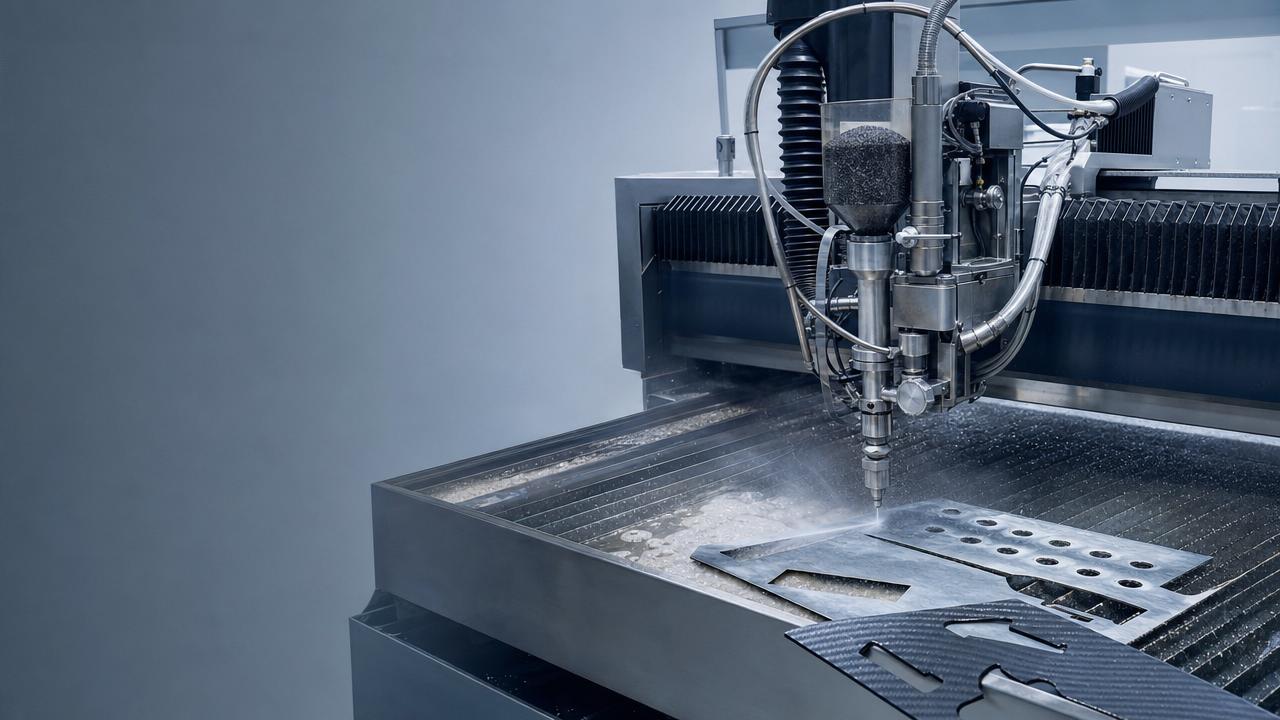
 Abrasive Delivery SystemsIndustrial Waterjet Cutters: Abrasive Costs That Erode MarginsAnalyst :5-Axis Machining Scientist
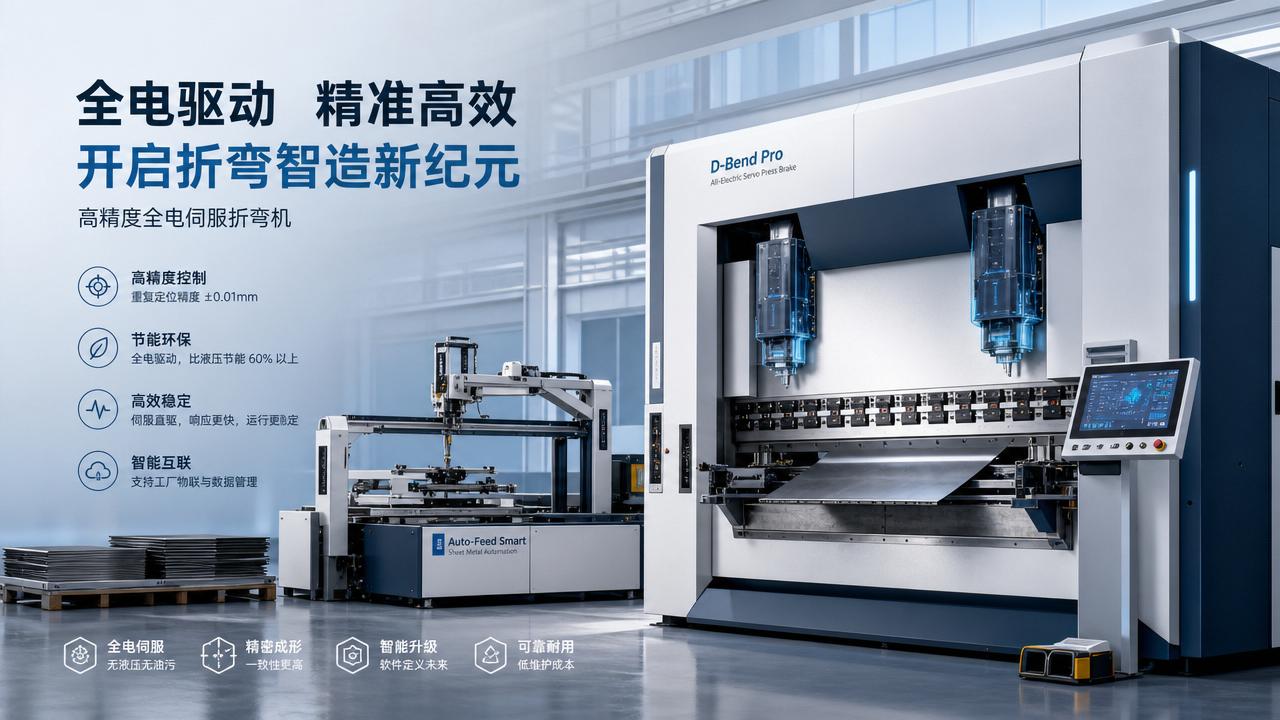
 All-Electric Press BrakesAll-Electric Servo Drives: Energy Savings vs Upgrade CostAnalyst :Precision Turning Architect
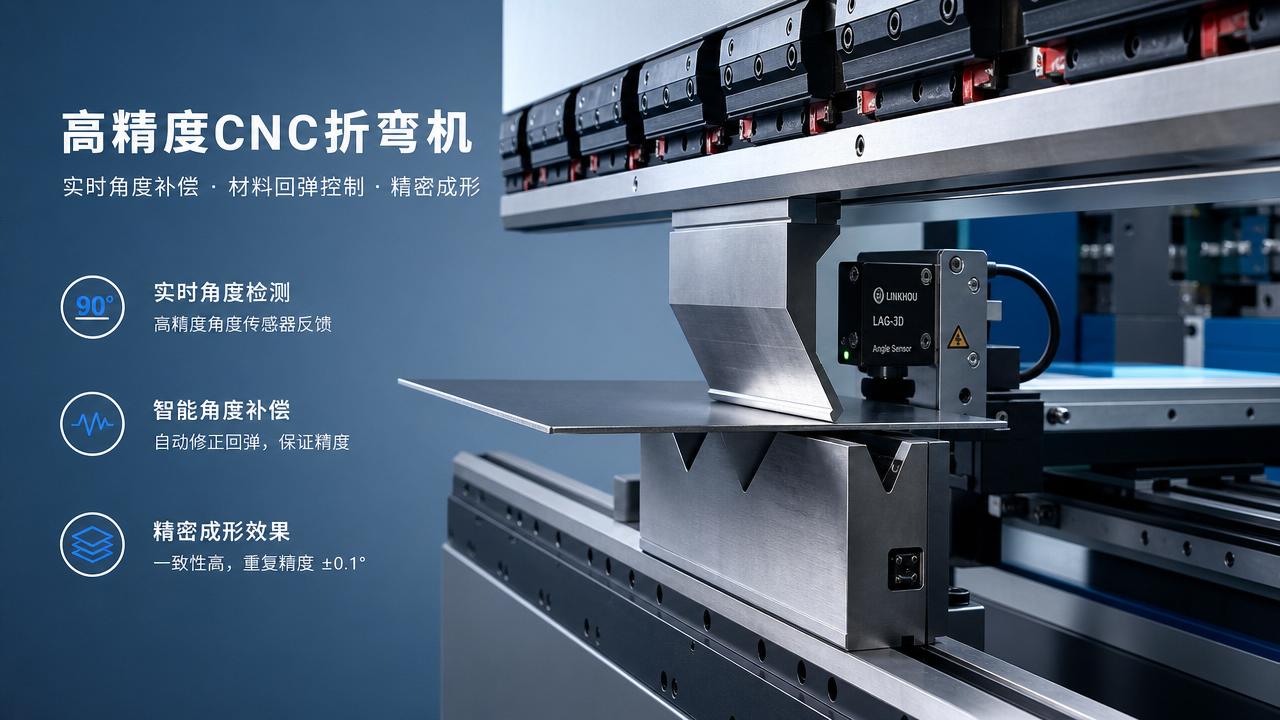
 All-Electric Press BrakesReal-Time Angle Compensation: What It Fixes and What It Doesn'tAnalyst :Precision Turning Architect
 Latest Sector NewsHigh-Strength Steel Machining: Tool Life Myths to AvoidAnalyst :Dr. Alistair Vaughn
 3D 5-Axis LaserComposite Material Cutting Without Delamination: Key MethodsAnalyst :
 Robotic Bending CellsAutomated Sheet Metal Forming: Hidden Setup Costs ComparedAnalyst :Precision Turning Architect