On July 9, 2025, the A+ Awards at the AMTS Shanghai exhibition honored two fully domestically developed assembly technologies — Leetx’s EWX wireless tightening system and Centron’s PF plunger metering system — with the ‘Technical Breakthrough Award’ and ‘Innovation Benchmark Award’, respectively. The recognition signals growing international validation for Chinese high-precision assembly equipment, particularly for automotive OEMs and Tier 1 suppliers seeking reliable, cost-competitive alternatives to established Western systems.
Event Overview
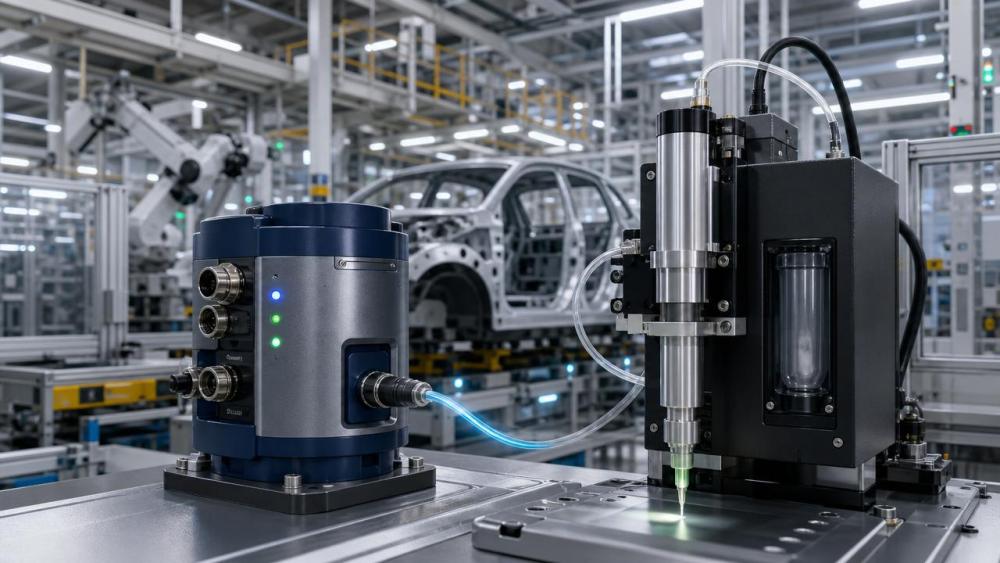
On July 9, 2025, the AMTS Shanghai exhibition announced its A+ Awards winners. Leetx’s EWX wireless tightening system received the ‘Technical Breakthrough Award’, while Centron’s PF plunger metering system was awarded the ‘Innovation Benchmark Award’. Both systems feature 100% domestically sourced core components. The EWX system achieves ±5% tightening accuracy and sub-10ms valve response time; the PF system delivers comparable precision in adhesive dispensing. Both are already deployed on production lines of SAIC-GM and XPeng Motors.
Industries Affected
Automotive OEMs and Tier 1 Suppliers
These manufacturers rely on repeatable, traceable fastening and bonding processes. The availability of certified, high-performance domestic alternatives reduces procurement lead times and supply chain exposure to geopolitical or logistical disruptions. Impact manifests in revised sourcing evaluations, especially for new model launches where validation cycles are tight.
Industrial Automation System Integrators
Integrators embedding tightening or dispensing modules into turnkey assembly cells now have validated local options that meet automotive-grade performance thresholds. This affects solution design timelines, commissioning protocols, and after-sales service planning — particularly where legacy systems require longer import lead times or complex import compliance documentation.
Export-Oriented Equipment Distributors and Channel Partners
Distributors targeting emerging markets (e.g., Southeast Asia, LATAM, MENA) may find these systems increasingly competitive in price-performance ratio versus European or Japanese equivalents. Impact includes shifts in product portfolio prioritization, technical training needs, and warranty support infrastructure development.
What Relevant Enterprises or Practitioners Should Monitor and Do Now
Track official validation reports and third-party test data
The A+ Awards reflect peer-reviewed technical assessment, but broader adoption hinges on publicly available performance verification — such as ISO 5393-compliant tightening repeatability logs or ASTM D1002 bond strength consistency data. Enterprises should monitor whether Leetx or Centron release such documentation post-AMTS.
Assess integration readiness for specific production line requirements
Current deployments at SAIC-GM and XPeng provide real-world reference points. Companies evaluating similar use cases — e.g., battery pack assembly, EV motor mounting, or structural adhesive application — should request line-specific interface specifications (e.g., EtherCAT/PROFINET profiles, torque data export formats, calibration traceability protocols) rather than general datasheets.
Review current supplier contracts for substitution clauses and lead-time buffers
If relying on imported tightening or dispensing systems, assess contractual flexibility around qualified alternative sources. Identify critical path components where switching could mitigate risk — especially where existing vendors cite >12-week delivery windows or lack local service engineers.
Prepare internal cross-functional alignment on qualification pathways
Adopting new assembly hardware requires coordination across manufacturing engineering, quality assurance, and procurement. Begin internal alignment now on required validation steps (e.g., PPAP Level 3 submission, process capability studies), even if formal evaluation is not yet scheduled.
Editorial Perspective / Industry Observation
Observably, this award outcome reflects more than a single-product milestone: it marks a threshold where domestic Chinese assembly technology has met internationally recognized benchmarks in three interdependent dimensions — accuracy (±5%), dynamic response (
Conclusion
This recognition underscores a maturing capability in China’s industrial automation hardware sector — one grounded in verifiable performance metrics and real-world automotive deployment. It does not indicate immediate displacement of global leaders, but rather confirms that viable, high-fidelity alternatives now exist within defined application boundaries. Currently, it is more appropriately understood as a benchmark for technical parity in targeted high-precision assembly tasks — not a broad-based shift in global supply hierarchy.
Information Source
Main source: Official A+ Awards announcement released by AMTS Shanghai on July 9, 2025.
Note: Third-party performance validation reports, export licensing status, and extended OEM deployment scope remain pending public disclosure and are subject to ongoing observation.
Product Recommendations
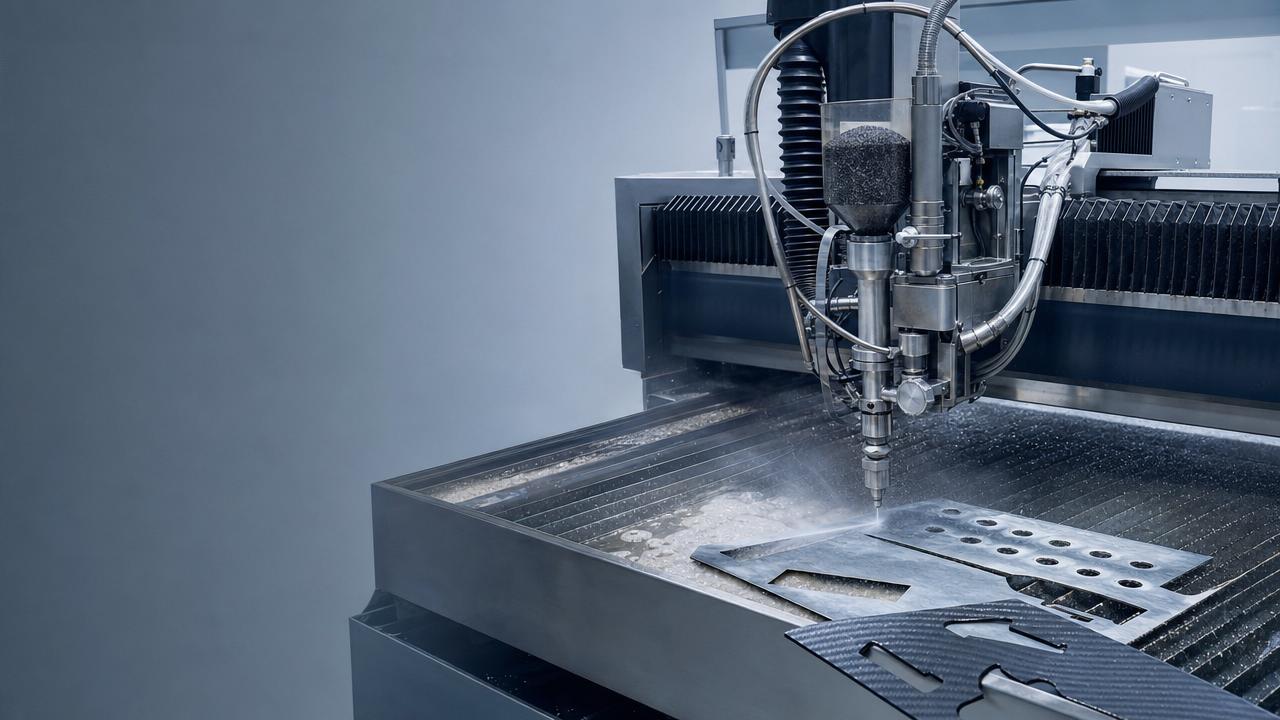
 Abrasive Delivery SystemsIndustrial Waterjet Cutters: Abrasive Costs That Erode MarginsAnalyst :5-Axis Machining Scientist
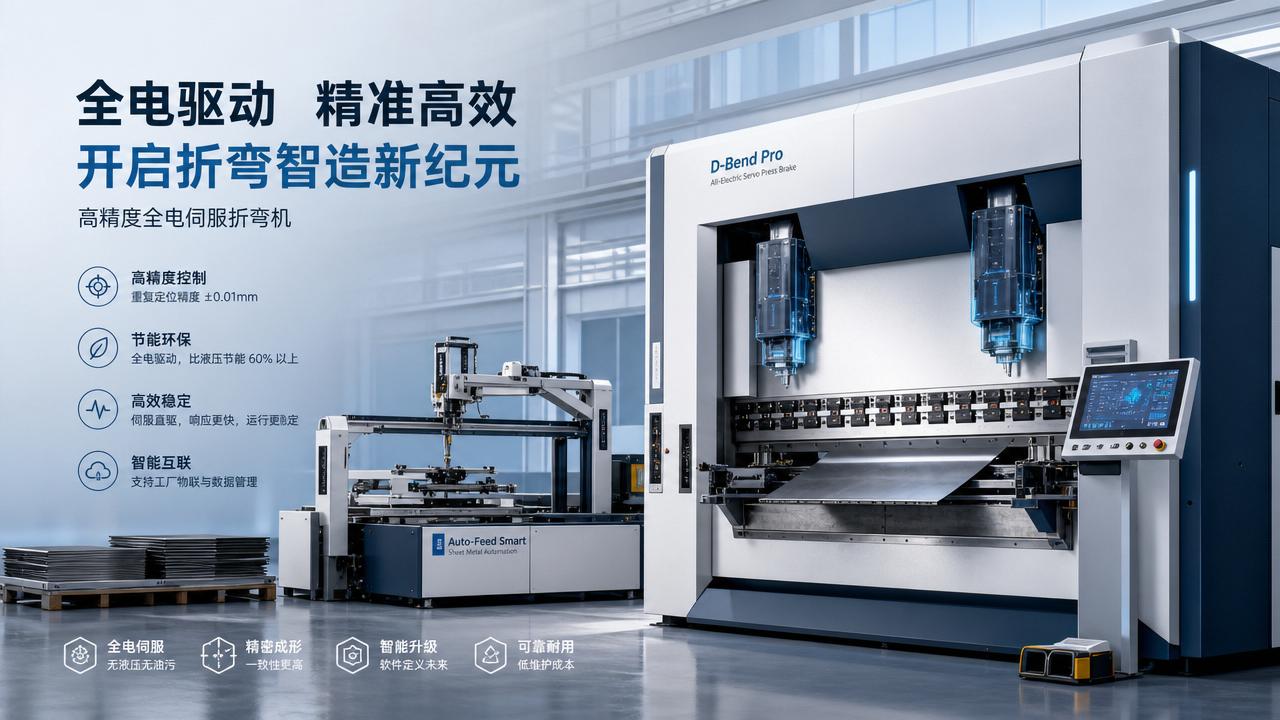
 All-Electric Press BrakesAll-Electric Servo Drives: Energy Savings vs Upgrade CostAnalyst :Precision Turning Architect
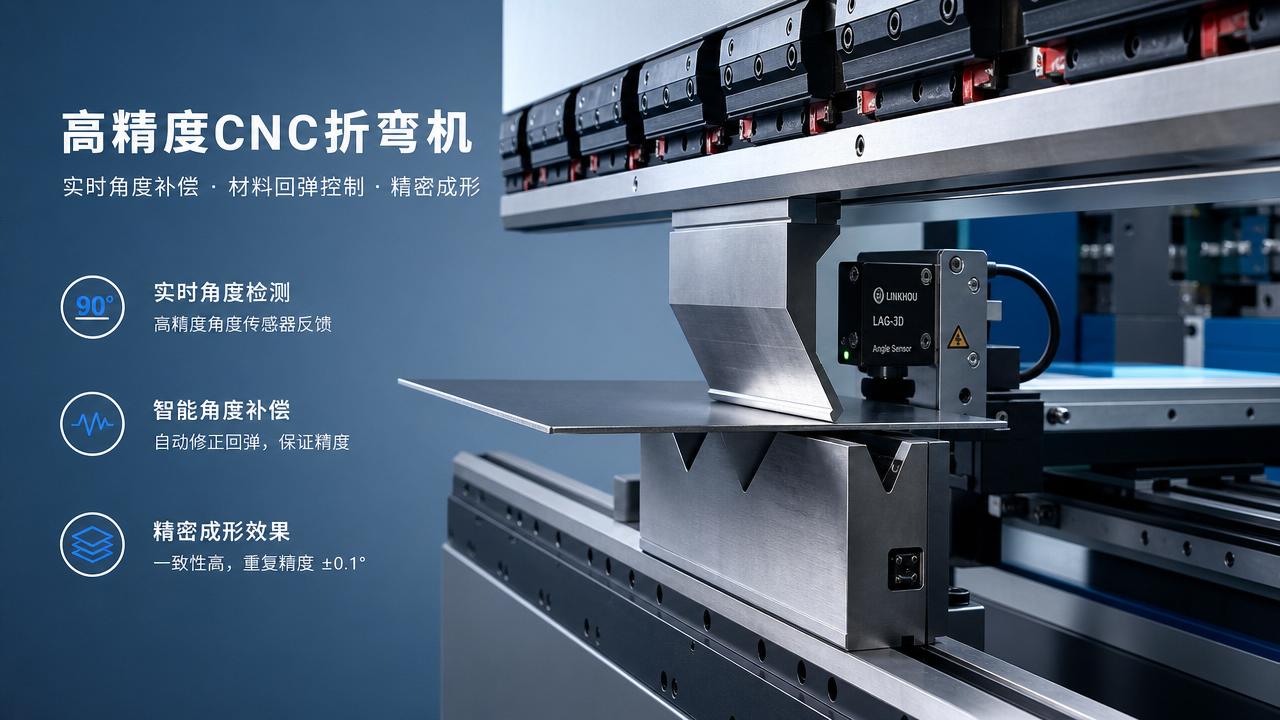
 All-Electric Press BrakesReal-Time Angle Compensation: What It Fixes and What It Doesn'tAnalyst :Precision Turning Architect
 Latest Sector NewsHigh-Strength Steel Machining: Tool Life Myths to AvoidAnalyst :Dr. Alistair Vaughn
 3D 5-Axis LaserComposite Material Cutting Without Delamination: Key MethodsAnalyst :
 Robotic Bending CellsAutomated Sheet Metal Forming: Hidden Setup Costs ComparedAnalyst :Precision Turning Architect