Image placement plan
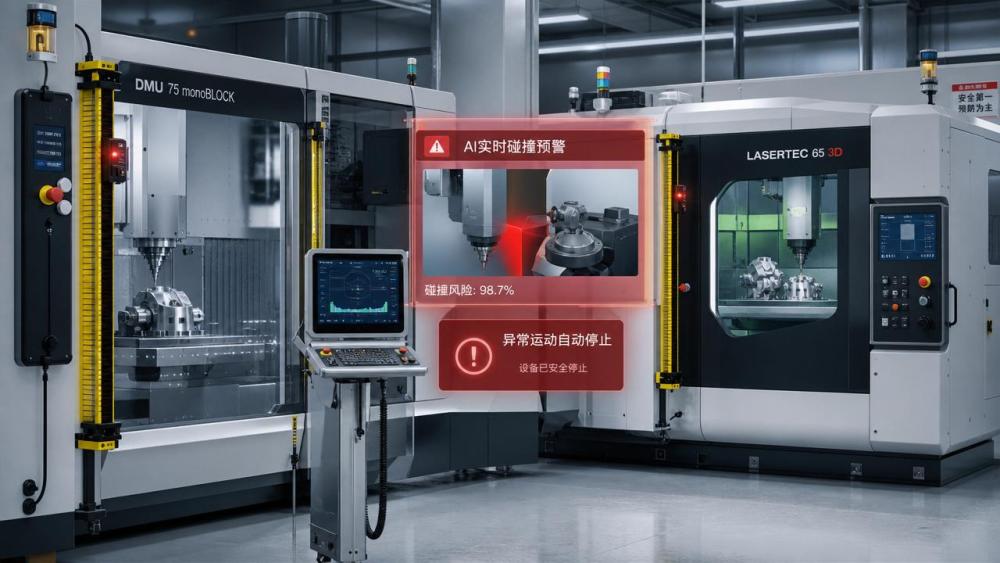
Image 1 should be placed near the opening section to illustrate AI-enabled safety monitoring for 5-axis CNC and laser equipment under updated EU conformity requirements.
On May 31, 2026, the Official Journal of the European Union announced the mandatory application of the revised EN ISO 13849-1:2026+A1:2026, bringing new CE-related safety requirements for Cradle 5-Axis CNC, Gantry 5-Axis Centers, and 3D 5-Axis Laser equipment sold into the EU from October 1, 2026. The change is expected to affect technical compliance routes and certification costs for Chinese exporters because the covered equipment must integrate AI-driven real-time collision warning and abnormal-motion automatic stop modules meeting PL e/SIL3 levels.
Confirmed Update Published in the EU Official Journal
The confirmed event date is May 31, 2026. On that date, the Official Journal of the European Union published a mandatory effectiveness notice for the revised EN ISO 13849-1:2026+A1:2026.
According to the provided event summary, from October 1, 2026, all Cradle 5-Axis CNC, Gantry 5-Axis Centers, and 3D 5-Axis Laser equipment sold into the EU must be equipped with AI-driven real-time collision warning and abnormal-motion automatic stop modules that comply with PL e/SIL3 levels.
The provided information also states that the new requirement will influence the technical compliance pathway and certification cost structure for Chinese exports to the EU. No additional official source link, company name, market size, or implementation detail was provided in the input.
Where the Compliance Pressure May Appear
Direct export and trading companies
Direct export and trading companies may be affected because equipment shipped to the EU after the stated effective date will need to match the revised safety-function requirement. From an industry perspective, the pressure is likely to appear in product documentation review, CE-related conformity preparation, customer communication, and shipment scheduling.
These companies may need to pay closer attention to whether the exported models fall within the named equipment categories, whether the AI safety module is included in the delivery configuration, and whether certification evidence can support PL e/SIL3 compliance.
Raw material and component procurement businesses
Although the notice focuses on finished equipment, procurement businesses may still feel indirect effects. Analysis shows that when machinery builders add AI-driven collision warning and abnormal-motion stop functions, procurement teams may need to coordinate earlier with suppliers of safety-related parts, control components, sensors, and integration-ready equipment modules.
The affected business steps may include supplier qualification, specification confirmation, purchase lead-time planning, and document collection. What deserves closer attention is whether purchased components can support the safety level required by the final machine configuration.
Machining and equipment manufacturing companies
Manufacturers of covered 5-axis CNC and laser systems are likely to face the most direct technical impact. The requirement is tied to AI-driven real-time monitoring and automatic stopping, so the affected links may include machine design, control-system integration, functional safety validation, test reporting, and technical documentation.
From an industry perspective, manufacturers may need to reassess whether existing product platforms can be upgraded before October 1, 2026, and whether certification files are consistent with the revised EN ISO 13849-1:2026+A1:2026 requirement.
Supply chain service providers
Supply chain service providers, including logistics coordinators, compliance service partners, inspection coordinators, and after-sales support teams, may be affected by changes in documentation and shipment readiness. Their role may become more important when exporters need to align delivery schedules with certification progress.
Observably, the areas requiring attention may include document traceability, model identification, configuration consistency, and after-sales support for safety-related modules. Service providers may also need to help customers avoid mismatches between contract specifications and the equipment actually delivered to the EU market.
Practical Compliance Priorities Before October 2026
Review whether the covered models need redesign
Companies should first determine whether their products are Cradle 5-Axis CNC, Gantry 5-Axis Centers, or 3D 5-Axis Laser equipment intended for sale into the EU. If they are covered, the next step is to check whether the delivered configuration includes AI-driven real-time collision warning and abnormal-motion automatic stop functions meeting PL e/SIL3 levels.
Align certification files with the revised standard
The input states that the revised EN ISO 13849-1:2026+A1:2026 will become mandatory under the notice. Enterprises should therefore prepare to review technical documentation, testing evidence, conformity materials, and safety-function descriptions against the revised requirement. This is especially important for exporters that already have CE-related files based on earlier configurations.
Update technical specifications and tender documents
Sales teams and engineering teams should ensure that technical bids, customer specifications, and contract attachments clearly reflect the required AI safety monitoring module where the EU-bound product is covered. Misalignment between quoted specifications and mandatory safety functions may increase export delivery risk.
Plan procurement and delivery around the effective date
Because the requirement applies from October 1, 2026, companies may need to assess delivery timing, module availability, supplier readiness, and final inspection schedules. It is more appropriate to understand this as a compliance planning issue rather than only a product upgrade issue, since certification preparation and documentation review may affect the overall export timetable.
Industry Observation: Safety Functions Become a Trade Requirement
Analysis shows that the requirement may strengthen the link between machinery safety technology and EU market access. For 5-axis CNC and laser equipment, real-time collision prediction and abnormal-motion shutdown are no longer only performance or premium-feature considerations when the stated conditions apply; they become part of the compliance route for EU sales.
From an industry perspective, this may raise the importance of integrated functional safety design. Manufacturers that treat the AI monitoring module as an add-on at the final stage may face more difficulty in documentation consistency and validation. Companies that incorporate the requirement earlier in design, procurement, and certification planning may be better positioned to manage compliance uncertainty.
What deserves closer attention is the potential cost impact. The provided information confirms that certification costs and technical compliance pathways for Chinese exports to the EU will be affected, but it does not provide specific cost figures. Therefore, any cost assessment should remain cautious and be based on each company's product configuration, certification status, and supply chain readiness.
A Measured Outlook for EU-Bound 5-Axis Equipment
The revised EN ISO 13849-1:2026+A1:2026 notice marks a significant compliance signal for 5-axis CNC and 3D 5-axis laser equipment sold into the EU. Its practical importance lies in the requirement for AI-driven safety monitoring that reaches PL e/SIL3 levels.
For exporters and manufacturers, the rational response is to verify product coverage, prepare technical evidence, coordinate suppliers, and align delivery plans before the October 1, 2026 effective date. The full business impact will depend on detailed implementation, certification review practices, and market feedback that still need continuous observation.
Source Note and Items to Monitor
This article is based on the user-provided news title, event date, and event summary. The key referenced source type is the Official Journal of the European Union, together with the revised EN ISO 13849-1:2026+A1:2026 mentioned in the provided information.
Specific official source links were not provided in the input and should be verified continuously.
Further monitoring should focus on implementation details, certification execution practices, changes in technical tender requirements, conformity assessment expectations, supplier response, and industry feedback after the effective date approaches.
Product Recommendations
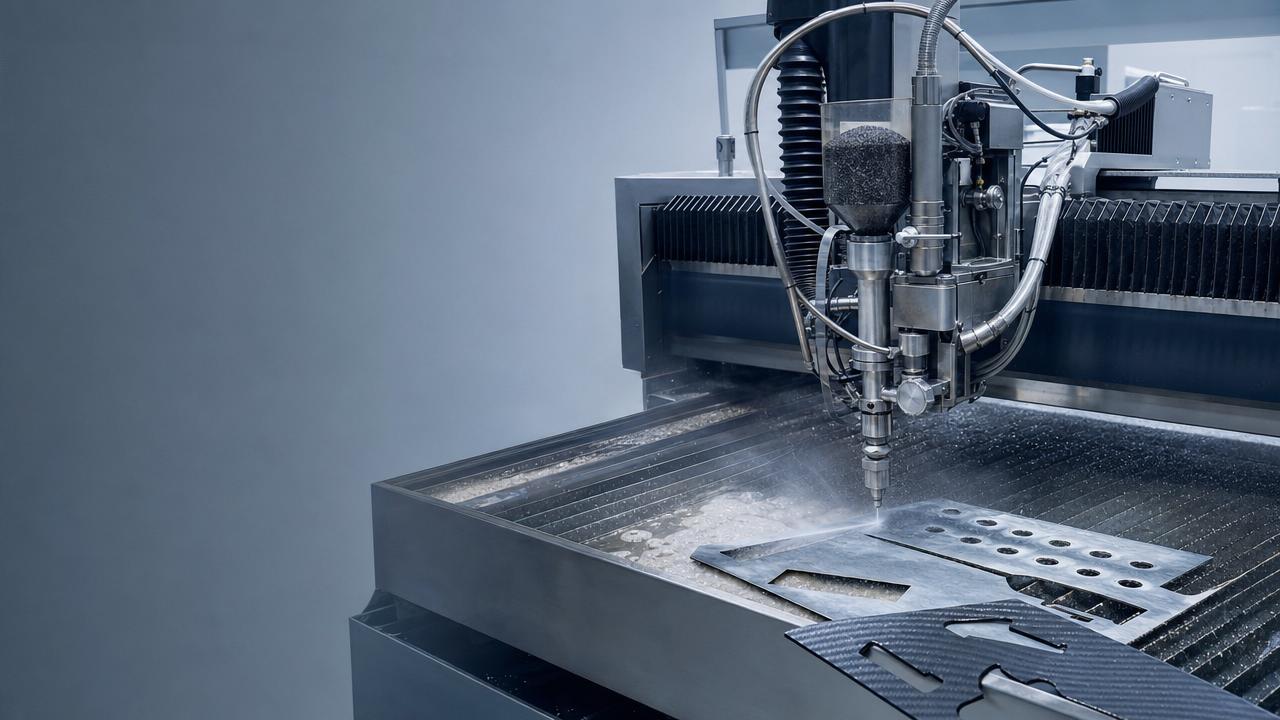
 Abrasive Delivery SystemsIndustrial Waterjet Cutters: Abrasive Costs That Erode MarginsAnalyst :5-Axis Machining Scientist
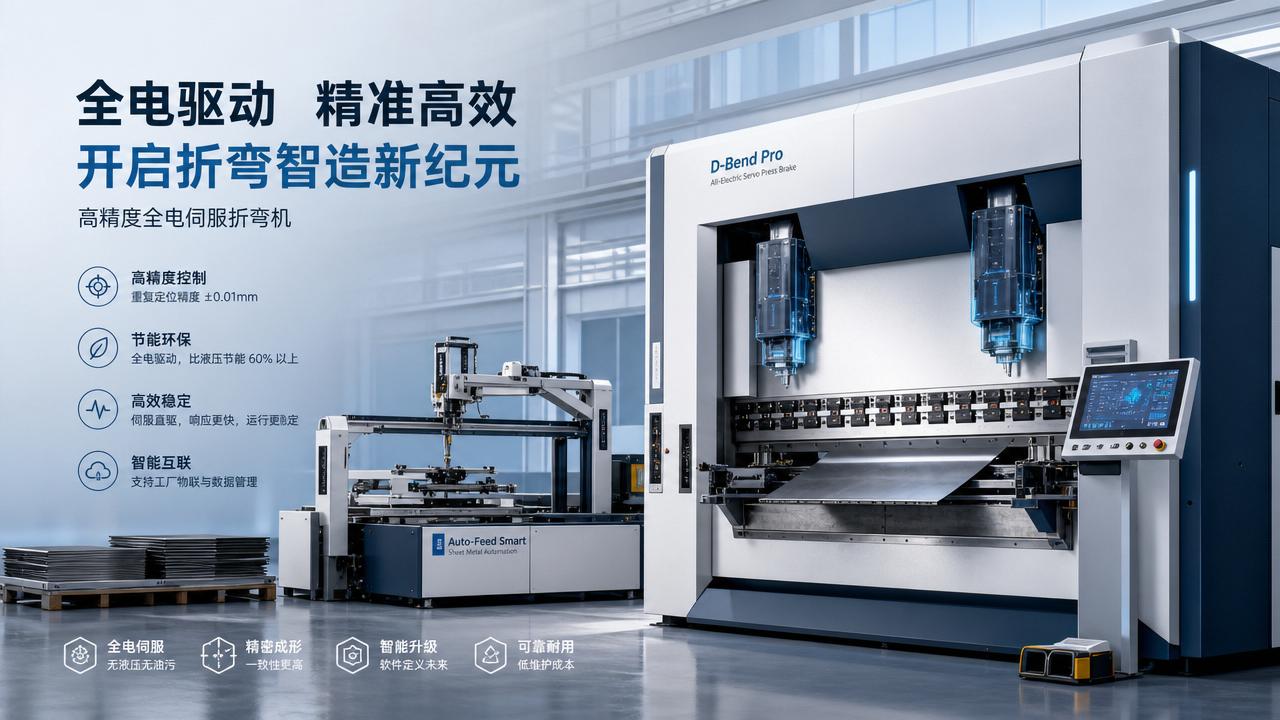
 All-Electric Press BrakesAll-Electric Servo Drives: Energy Savings vs Upgrade CostAnalyst :Precision Turning Architect
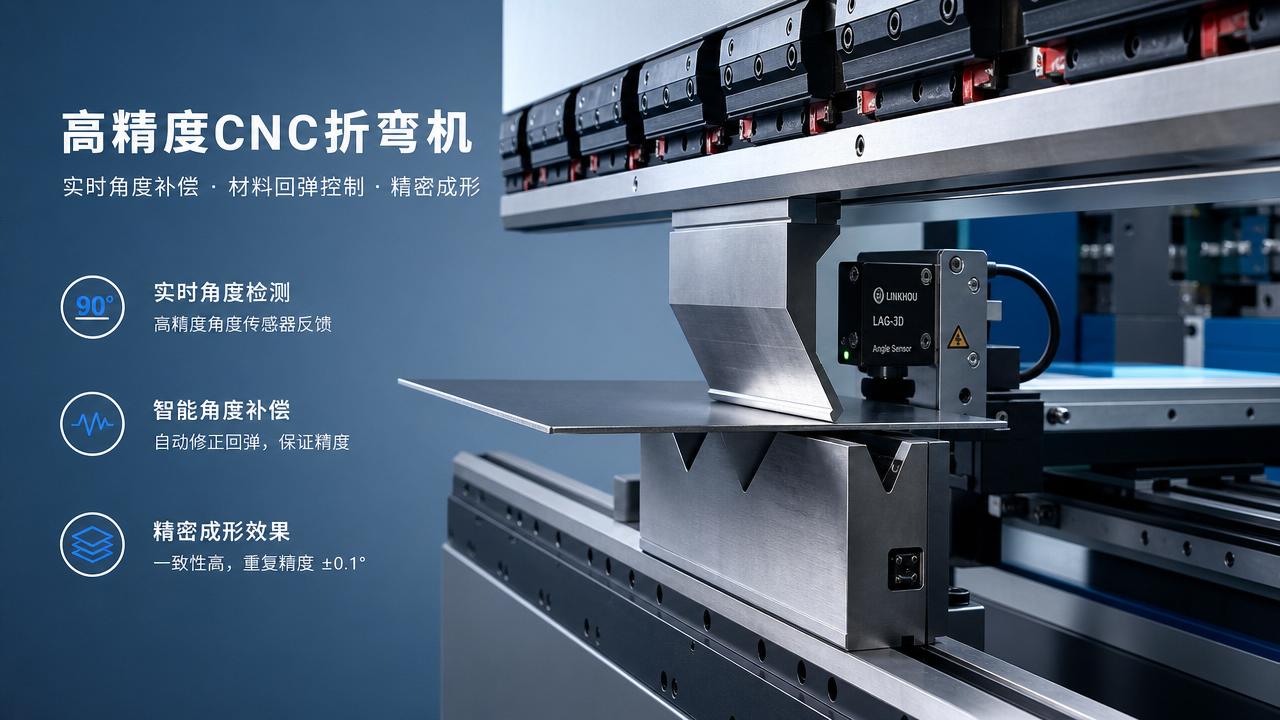
 All-Electric Press BrakesReal-Time Angle Compensation: What It Fixes and What It Doesn'tAnalyst :Precision Turning Architect
 Latest Sector NewsHigh-Strength Steel Machining: Tool Life Myths to AvoidAnalyst :Dr. Alistair Vaughn
 3D 5-Axis LaserComposite Material Cutting Without Delamination: Key MethodsAnalyst :
 Robotic Bending CellsAutomated Sheet Metal Forming: Hidden Setup Costs ComparedAnalyst :Precision Turning Architect